
Dietary Triggers and IBS Flare Ups: How to Manage

Written by: Beth Nanson, BSc, RD
Updated: April 2nd, 2024
Tired of Irritable Bowel Syndrome (IBS) flare-ups? And even more tired of not knowing what to cut back on to help alleviate symptoms? Look no further! Below are some common dietary triggers for IBS flare ups, and tips for minimizing exposure to these triggers while still enjoying a nutritious and varied diet.
Let’s dive in!
More of a visual learner? Skip to the Dietary Triggers and IBS Infographic
FODMAPs
FODMAP is an acronym that stands for Fermentable, Oligosaccharides, Disaccharides, Monosaccharides, And Polyols. It’s a mouthful!
To clarify, these are the names of specific short-chain carbohydrates that aren’t well digested and absorbed in our gastrointestinal tract. Because of this, they sit in our small intestine and become osmotic, pulling water into the gut, often leading to loose stools. They then travel to the large intestine where they are fermented by our gut bacteria, which creates by-products that contribute to bloating, distension, and gas production.
Approximately 50-80% of individuals with IBS are sensitive to FODMAPs. If you fall within this group, it may be advisable to trial a low FODMAP diet. The low FODMAP diet was first developed by researchers at Monash University in Melbourne, Australia. Monash currently certifies products that have been independently tested by the Monash University FODMAP laboratory and is found to suitable for low FODMAP diets. Ensure you keep an eye out for the logo on products to make it easier for you!
As this diet is not suitable for all and is difficult to follow without professional guidance, CDHF recommends this is something that should be done under the supervision of a registered dietitian.
Dehydration
Being dehydrated can worsen IBS symptoms. Adequate hydration, on the other hand, can support proper gut function and limit symptoms such as constipation, bloating and abdominal discomfort.
Not sure if you’re dehydrated? Consider if you experience any of the following symptoms as they help indicate dehydration:
- Frequent thirst
- Dry mouth, headaches
- Dizziness
- Confusion
- Fatigue
- Lethargy
- Muscle cramps
- Dark coloured urine
- Constipation
To prevent dehydration, it’s recommended to aim for at least 8 cups of fluid per day, ideally water. Specifically, monitor your urine colour. Aim for urine that resembles lemonade colour, if it’s darker you are likely dehydrated.
Here are some tips to help increase your water intake:
- Make it convenient: carry your water bottle on you, have a water bottle in the car to have sips at red lights, have a full glass on the counter in the house, and have a cold jug in the fridge ready to be poured.
- Pair it with another activity: have an additional 2 cups of water for every workout, or for every 1 cup of coffee.
- Implement structure: have 1 large glass upon waking and 1 glass with each meal of the day and 1 glass in the evening.
- Flavour your water: add berries, lemon, lime, cucumber, mint, etc. to make it more appealing.
- Go for tea on colder days!
- Setting reminders: set reminders on your phone to tell you to drink!
- Tracking: track your water intake with an app to help motivate you to get to your daily target
Caffeine
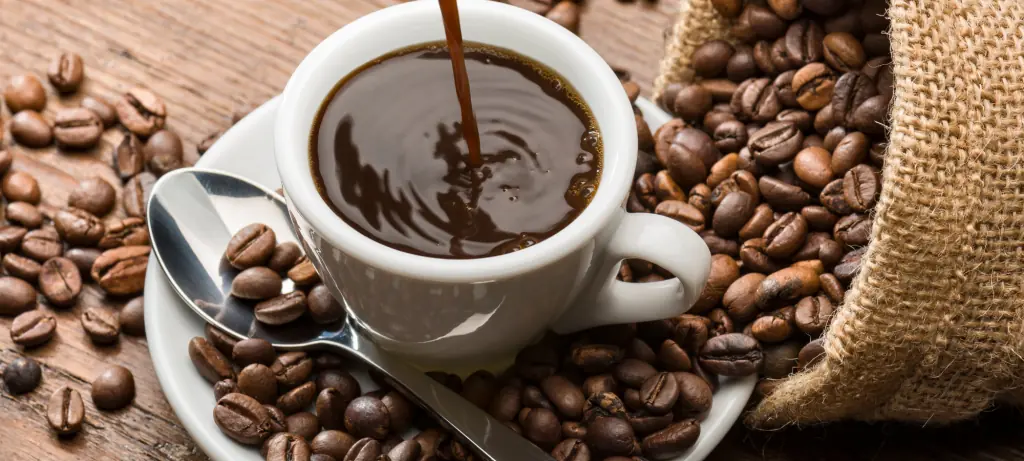
We love our coffee! But unfortunately, caffeine can cause IBS flare ups. Its impact varies but it may be something you consider as a potential flare-trigger.
Caffeine can be found in coffee, tea, cola, energy drinks, and chocolate. Try reducing your intake of caffeinated products to assess if your IBS symptoms improve. Here are some tips to reduce caffeine intake include:
- Try reducing the amount of caffeine in your coffee (i.e. asking for 1 expresso shot instead of 2)
- Try decaf coffee instead of regular caffeinated coffee. Decaf coffee still contains some compounds that can stimulate your gastrointestinal tract, but without the caffeine, you may find you tolerate it better.
- Try matcha! Matcha has a similar caffeine content to green tea, which is less than what you’ll find it most coffees. Research suggests matcha can combat tiredness and improve cognitive function.
- If you regularly have coffee, consider swapping to caffeinated teas. Since most coffees contain more caffeine than tea, his can help lower the total amount of caffeine intake over the day.
- If you have caffeinated teas in the day and this is enough to trigger you, consider swapping some of your caffeinated teas for herbal teas.
- Diluting colas or energy drinks to contain ½ water – this not only reduces the caffeine content but can also reduce the added sugars and increase hydration!
Alcohol
To many peoples’ disappointment, alcohol is a common cause of IBS flare ups. Specifically, it can increase gut motility, leading to loose stools, and also result in bloating and abdominal discomfort.
Alcohol can irritate our gut lining and alter the population of bugs in our gut microbiome. Further, some alcoholic drinks contain FODMAPs, short chain carbohydrates that aren’t well digested or absorbed, increasing the chance of IBS flare ups.
To help lessen the effects of IBS flare ups, try some of the following tips:
- Have alcoholic beverages with food rather than on an empty stomach.
- Have 1 glass of water between each beverage of alcohol. This can help potentially lessen the total amount of alcoholic beverages you consume on any given occasion.
- Space your drinks out by at least 1 hour. This may increase the chance that you consume food, which can help slow the absorption of alcohol.
- Reduce the alcoholic content of your mixed drinks by half and fill up the rest with a flavoured soda water (if the carbonation is tolerated – see next point!)
- Opt for alcohol-free days more often!
- Use an app such as CDHF’s myIBS app to track your alcohol intake, as this often helps motivate you to drink less.
- Try some non-alcoholic alternatives. Some of them taste very similar to the real thing!
Carbonated Beverages
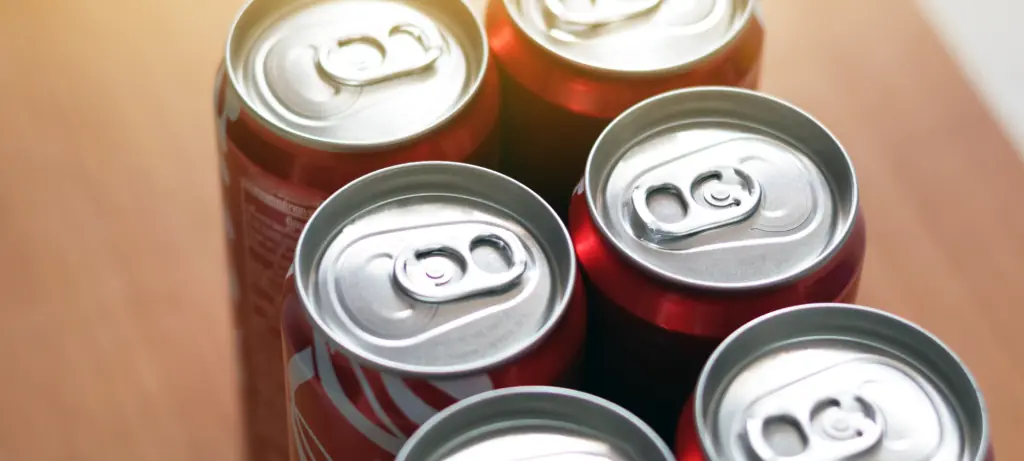
Although carbonated beverages provide a desirable texture for your drink of choice, they can potentially lead to IBS flare ups such as bloating, distension, and gas.
Carbonated drinks contain high amounts of carbon dioxide, a gas that gets swallowed and trapped in your gastrointestinal tract. As this gas expands, we may feel bloated and distended and as the gas looks for ways to escape our body, we may notice more belching and flatulence.
If this is a common beverage of choice for you, here are some tips to reduce IBS symptoms:
- Try cutting back on your intake for 2 weeks to identify if this is a true trigger. If it is a trigger, and you still want to consume it, try the tips below:
- Have a smaller amount: if you normally have 2 cans per day, can you try having 1?
- Stir the beverage quickly with a fork: this can reduce some of the carbonation and may reduce some associated symptoms.
Spicy Food
Have you noticed a connection between your symptoms and spicy foods? Spicy foods can be a common gut irritant and may be something you want to limit in your diet to relieve symptoms.
Specifically, the active component of chilli is capsaicin, which can increase gut motility, leading to loose stools and abdominal pain in those suffering from IBS.
Thus, here are some strategies to limit the spice in your diet while still maintaining flavour!
- Have a glass of water nearby any potential spicy foods. This can help dilute the spices and avoid additional irritation to your digestive tract.
- Play with spices that aren’t spicy! Some examples could include: cinnamon, nutmeg, garlic powder, onion powder, salt, basil, oregano, rosemary, thyme, Italian seasoning, turmeric, bay leaves, etc.
- Add a condiment: mustard, ketchup, mild salsa, kimchi, hummus, soy sauce, Worcestershire sauce, or Greek yogurt.
- Include some healthy fats: extra virgin olive oil, avocado oil, tahini, nut butters, walnuts, or pumpkin seeds.
- Use more acidic flavours (if tolerated): lemon, lime, orange, or tomato puree/paste.
- You can, of course, also limit the amount of spice you use. Our taste buds do adapt!
*Please note, some of the above flavours may be high FODMAP so take caution if you have known FODMAP triggers.
Fatty Food
Many IBS sufferers’ report a worsening of symptoms with the ingestion of fatty foods, such as pizza, ice cream, beef, and deep-fried foods. This is because foods with a high fat content can increase transit time in the gut, leading to diarrhea as well as extra bloating and gas production.
In reality, everyone’s gut response is different, so you’ll have to test which fatty foods cause IBS flare ups for your specific symptoms, and in what amount.
Of course, many of these foods are delicious and we don’t want to restrict any foods from the diet unnecessarily! Below are some ways you can minimize your exposure to fatty foods, in the hopes of lessening your IBS symptoms:
- Choose leaner proteins more often.
- chicken, fish, beans, tofu > beef, pork, lamb
- When having higher fat meats, look for skinless options and ask for the fat to be trimmed off.
- Choose cooking methods such as sauteing, steaming and boiling over deep-frying.
- Plan for more meatless Mondays! This is an easy way to consume one more plant protein and one less animal protein per week
- Opt for lower fat dairy options.
- 0-2% milk > full-fat milk
- 0-2% yogurt > 5+% yogurt
- Choose margarine made with olive oil > butter.
- Be mindful of salad dressings:
- Have your favorite dressings in moderation!
- If eating out, ask for the dressing on the side of the dish so that you can control the amount you include on your salad.
- Opt for dressings that have a base of olive oil or avocado oil.
- When consuming ice cream, consider the following tips:
- Ask for one less scoop to limit the effect on your gut.
- Consider having a lactase enzyme at the same time as the ice cream ingestion to help digest the lactose (if you are lactose intolerant)
- Enjoy foods such as cookies, pastries, cakes, and chocolate in moderation.
- Choose foods higher in unsaturated fats such as nuts, seeds, olive oil, and avocado.
Added Sugars
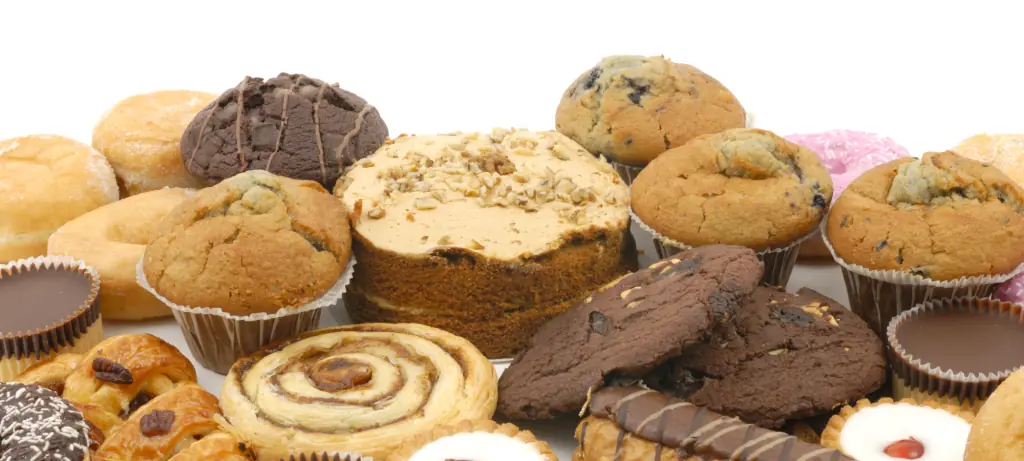
Yes, we all love sugar, however, foods with a high content of added sugar can be a common IBS flare up trigger. Particularly, added sugars over naturally occurring sugars (i.e. lactose in milk) may cause symptoms.
By and large, common irritants may include, but are not limited to:
- Juice
- Pop
- Soda
- Energy drinks
- Candy
- Chocolate
- Biscuits
- Cookies
- Doughnuts
- Pies
- Cakes
Those with IBS usually report a worsening of symptoms upon consumption of these types of foods. It’s not widely known why exactly this happens, but it’s thought that added sugars can increase inflammation and permeability in the gut, both of which have been connected to increased gastrointestinal symptoms.
Further, many of these high-sugar foods also contain FODMAPs, fermentable carbohydrates that can cause gas, bloating and diarrhea.
However, you don’t need to avoid all sugar! Instead, you can strategically limit your intake of added sugars to observe if this reduces your IBS symptoms. Some tips to minimize your intake of added sugars are below:
- Dilute your juice with water: ½ juice, ½ water!
- Replace some of your sweetened beverages with your own flavoured water. Flavour with berries, mint, lemon, or lime.
- Choose chocolate with a higher percent cocoa.
- Have a smaller portion of a higher-sugar product (i.e. split your doughnut in half and save the other have for tomorrow)
- Pair your sweet treat with a source of protein or fibre (e.g. handful of nuts, piece of fruit, a handful of baby cucumbers, etc.)
- Look for cereals with ~≤8g sugar/serving.
- Find granola or protein bars with ~≤5g sugar/bar.
- Opt for plain or unsweetened yogurts and flavour yourself with cinnamon, vanilla extract, and fruit
- If having non-dairy milks, choose unsweetened versions.
- Use ½ the sugar called for in recipes and replace the other half with unsweetened applesauce.
- Use fresh, frozen, or dried fruit more often!
- Ensure you have enough calories, protein, carbohydrates, fruits, veggies and healthy fats in the day to limit extra cravings.
- Eat at home more often!
Insoluble Fibre
Remember, insoluble fibre, although very beneficial, can be rougher on the gastrointestinal tract. These fibres may worsen loose stools or abdominal discomfort in those with IBS. If you think they may cause you IBS flare ups, use some of the tips below to reduce insoluble fibre from your diet and see if your symptoms improve!
- Reduce your intake of nuts & seeds.
- Limit your intake of popcorn.
- Remove the skins from your fruits & vegetables.
- Go for cooked > raw veggies.
- Limit your intake of raw salad greens and opt for cooked vegetables instead.
- Temporarily remove wheat bran from your diet.
In short, if you see improvement, you can reintroduce one food at a time to identify which ones trigger you and which don’t. This is also a good way to test your tolerance to the amount that triggers you.
Alternatively, if you see no improvement, it’s important to bring these fibres back into the diet, as they still play an integral role in the health of our digestive tract.
Final Thoughts
In conclusion, there are a variety of dietary triggers that may cause IBS flare ups. That’s why it’s important to work with a registered dietitian to help you manage your symptoms.
If you are looking for additional help monitoring and tracking your IBS symptoms, consider looking into the myIBS app. This app allows you to track your:
- Symptoms
- Food intake
- Fluids
- Medications
- Supplements
- Sleep
- Stress and more!
Tracking this information can help you better understand how to properly manage your IBS. Don’t forget to discuss your results with your primary care team!
Finally, if you are looking for more resources check out our IBS resources page!

IBS awareness activities were made possible due to an unrestricted educational grant from Culturelle, Schar, Bio-K+, Lupin Pharma Canada, and IBgard.


References
- Monash ‘The NICE Guidelines diet and IBS’ https://www.monashfodmap.com/blog/nice-guidelines-diet-and-ibs/
- CDHF ‘When your gastrointestinal condition leaves you dehydrated’
- Leigh Merotto ‘Ways to Enhance the Flavour of Meals at Home’ https://www.leighmerotto.com/blog/healthy-ways-to-flavour-meals-at-home – Casa de Sante ‘IBS and Spicy Food’ https://casadesante.com/blogs/ibs/ibs-and spicyfood#:~:text=Many%20IBS%20sufferers%20report%20that,%2C%20diarrhea%2C%20and%20abdominal%20pain.
- Healthlink BC ‘Healthy Eating Guidelines for Irritable Bowel Syndrome’ https://www.healthlinkbc.ca/sites/default/files/healthyeating/pdf/eating-guidelines-for-irritable-bowel-syndrome.pdf
- THE IBS DIETITIAN ‘Sugar and IBS’ https://thefoodtreatmentclinic.com/sugar-and-ibs/
- NIH ‘A Dietary Intervention with Reduction of Starch and Sucrose Leads to Reduced Gastrointestinal and Extra-Intestinal Symptoms in IBS Patients’ https://www.ncbi.nlm.nih.gov/pmc/articles/PMC6682926/#:~:text=Patients%20with%20irritable%20bowel%20syndrome,with%20gastrointestinal%20(GI)%20symptoms.
- American Heart Association ‘Tips for Cutting Down on Sugar’ https://www.heart.org/en/healthy-living/healthy-eating/eat-smart/sugar/tips-for-cutting-down-on-sugar
- Heart & Stroke ‘Reduce Sugar’ https://www.heartandstroke.ca/healthy-living/healthy-eating/reduce-sugar
- UMass Chan Medical School ‘Tips for Reducing Added Sugar’ https://www.umassmed.edu/nutrition/Cardiovascular/handouts/tips-for-reducing-added-sugar/
- CDHF ‘How to Use CDHF’s myIBS App’ https://cdhf.ca/en/how-to-use-cdhfs-myibs-app/
- Monash: ‘IBS Diet’ https://www.monashfodmap.com/ibs-central/diets/
- HealthLink BC ‘Healthy Eating Guidelines for Irritable Bowel Syndrome’ https://www.healthlinkbc.ca/healthy-eating-physical-activity/conditions/digestive/healthy-eating-guidelines-irritable-bowel