
A Day of Lactose-Free Eating: Breakfast, Lunch, and Dinner Recipes

Written by: Ashlen Leonard, RD
Updated: January 29th, 2025
Living with lactose intolerance doesn’t mean that you have to sacrifice flavour or enjoyment in your meals. With the right strategies and recipes, you can manage symptoms while still savouring delicious, balanced dishes. Let’s discover how to navigate lactose-free eating and unlock a world of satisfying gut-friendly meals!
What is lactose intolerance?
Lactose intolerance is the difficulty in digesting lactose, which is a sugar naturally found in dairy products. If someone who has lactose intolerance consumes a dairy product, they could experience a variety of digestive issues such as:
- Gas
- Bloating
- Cramping
- Pain
- Diarrhea
This occurs when there is not enough lactase produced by the small intestine. Lactase is a digestive enzyme that breaks down lactose (the sugar in dairy products). Without enough lactase in the digestive system, the undigested lactose can cause unpleasant symptoms.
The severity of the lactose intolerance is dependent on the individual as well as the amount of dairy that is consumed at one time. Some people can consume small amounts or certain types of dairy without negative digestive symptoms and others have to avoid all dairy products altogether.

How does it differ from a milk allergy?
Lactose intolerance is different from a milk allergy. Lactose intolerance is related to the inability to properly digest lactose, the sugar in dairy products. A milk allergy is the immune system responding to one or more of the proteins in cow’s milk. A milk allergy is much more severe than lactose intolerance and can be life threatening. If you are unsure whether you have lactose intolerance or a milk allergy, please talk to your primary care practitioner.
How do people know if they’re lactose intolerant?
There are a few ways to determine if someone is lactose intolerant.
- The first is by an elimination diet. This should be supervised by a registered dietitian to ensure you are still able to meet your nutrient needs while eliminating dairy products.
- The elimination phase is a total exclusion of all dairy products for a set amount of time.
- The individual will then reintroduce dairy into their diet in a controlled way and monitor digestive symptoms.
- If symptoms stopped in the elimination phase and returned with the reintroduction, this may result in a diagnosis of lactose intolerance.
- Lactose intolerance can also be diagnosed with a hydrogen breath test.
- The individual will be asked to drink a liquid containing a lot of lactose and then a practitioner will test the individual’s breath.
- High levels of hydrogen in the breath may indicate lactose intolerance.
How can someone with lactose intolerance ensure they are getting enough calcium and other nutrients found in dairy products?
Many individuals with lactose intolerance remove all dairy products from their diet to ensure optimal digestion. However, dairy products provide a variety of nutrients that are essential to our health, including calcium (a nutrient that supports bone health). Thankfully, there are many ways to still meet your calcium needs even if you are lactose intolerant.
The Recommended Dietary Allowances (RDA) of calcium for:
- All adults aged 19-50 = 1000 mg per day
- Men 51-70 = 1000 mg per day
- Women aged 51-70 = 1200 mg per day
- All adults 70 and older = 1200 mg per day.
Here are some food options to include in your day to increase your overall calcium intake*
- 1 cup plain yogurt = 300-400 mg
- 1 cup of calcium-fortified orange juice = 350 mg
- 3 oz of salmon (pink, canned, solids with bones) = 180 mg
- 1 tbsp tahini (sesame paste) = 150 mg
- ½ cup of tofu (soft, made with calcium sulfate) = 140 mg
- 1 cup of 1% M.F. cottage cheese = 140 mg
- ½ cup of spinach (boiled and drained) = 120 mg
- 1 tbsp of chia seeds = 75 mg
- 1 cup of raw kale = 25 mg
- 1 cup of raw broccoli = 20 mg
*Specific calcium amounts may vary between products, so be sure to review the nutrition facts labels.
You can also include a variety of fortified foods (extra nutrients have been added) to help you meet your calcium needs. These may include:
- breakfast cereals
- breads, and more!
TIP: Did you know that the calcium amount in dairy products varies depending on the fat content of the product? The more fat, the less calcium!
There are more nutrients that can be found in dairy products such as:
- Protein (promotes growth and development of cells and supports muscle mass)
- Vitamin D (supports bone health, immune system, hormones and more)
- Phosphorus (used in the formation of bones and teeth as well as cell maintenance)
- B vitamins and more (involved in energy metabolism, cell production and regulation of many body systems)
Many of these can be found in the above foods, however if you’re worried about meeting any specific dietary targets, please reach out to your primary care practitioner or a registered dietitian in your area.
How do lactose free products work? (addition of lactose enzyme, or remove lactose entirely, etc.)
Lactose free products are designed so individuals with lactose intolerance can still consume dairy products without the unpleasant digestive side effects. This is possible with the addition of lactase, the digestive enzyme.
Lactase will be added to dairy products to break down the lactose during production. This results in a dairy product that does not contain any lactose and a safe and enjoyable option for anyone with lactose intolerance!
There are a variety of lactose free products available to consumers, such as lactose free milk, yogurt, cream cheese and more! In general, the lactose free products contain very similar, if not exactly the same, amounts of nutrients compared to the “regular” products. A win win!
Summary:
Lactose intolerance occurs when the body cannot properly digest lactose, a sugar found in dairy products, leading to uncomfortable digestive symptoms. Unlike a milk allergy, which involves an immune response, lactose intolerance can be managed by avoiding dairy or consuming lactose-free options. To ensure adequate calcium intake, individuals can incorporate non-dairy sources like fortified plant milks, tofu, leafy greens and more. With proper planning and balanced recipes, it’s possible to maintain a healthy, enjoyable diet while managing lactose intolerance.
Recipes
Here is a full day’s worth of lactose-free meals that include a variety of nutrients, such as calcium, protein, fibre and more! It’s important to include foods that support your physical and mental health. So don’t forget to include some of the provided comfort meals to satisfy any cravings and enjoy the experience of making and eating food!
More recipes can be found on www.allnutritionrd.com!
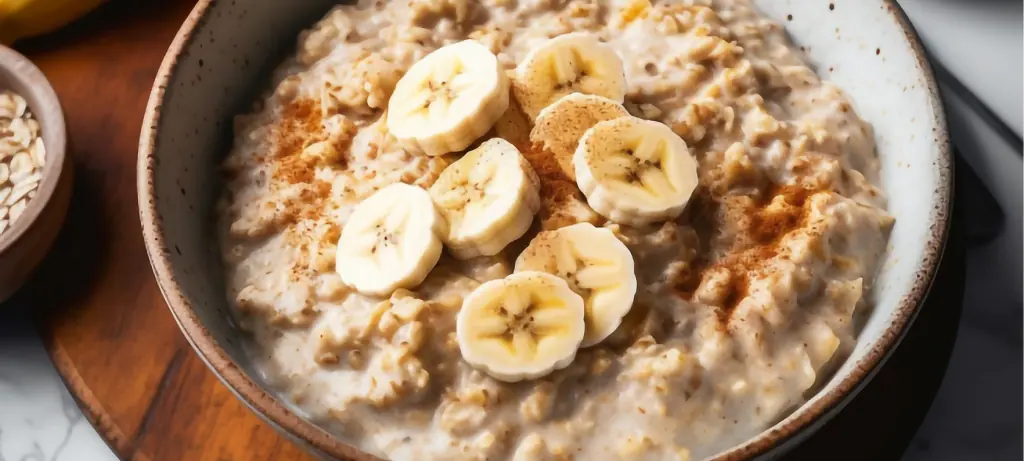
Breakfast:
Banana Peanut Butter Overnight Oats
(Makes 1 serving)
- ⅓ cup large flake oats
- 1 tbsp chia seeds
- ⅓ cup lactose-free Greek yogurt
- ½ cup Lactantia lactose-free 2% milk
- ½ medium banana sliced
- 2 tbsp walnuts chopped
- 1 tbsp peanut butter
- 1/4 tsp ground cinnamon
In a small bowl add the oats, chia seeds, yogurt and milk. Stir until combined. Place the mixture in the fridge for at least 1 hour, ideally overnight. When you’re ready to eat, add the peanut butter, banana, sliced almonds and cinnamon on top. Enjoy!
Lunch
Open-faced salmon melt with veggies and hummus
(Makes 1 serving)
- 3 oz canned salmon, with bones
- 1 tbsp mayonnaise
- 1 tbsp lactose-free cream cheese
- 2 slices of whole grain bread
- 2-3 oz of lactose-free cheese, sliced
- Your choice of raw vegetables
In a small bowl, mix together the canned salmon and mayonnaise. Season with salt and pepper, if desired. Spread this on top of two slices of bread. Add the slices of cheese on top of the salmon mixture. Put this on a baking sheet lined with tin foil and place into the oven to broil for 2-3 minutes. Keep a close eye on the sandwich so that the cheese and bread don’t burn.
Remove it from the oven carefully. Pair the sandwich with your choice of raw veggies (ex. celery, broccoli, carrots, bell peppers, cucumbers, etc.) dipped into 2-3 tbsp of hummus.

Morning Snack
Your choice of fruit + a handful of nuts (almonds, cashews, walnuts, etc.). Pair it with a tea or coffee latte using Lactantia lactose-free half and half milk!
Snack
Raspberry Blueberry Protein Smoothie
(Makes 1 serving)
- 1 cup frozen raspberries
- 1 cup frozen blueberries
- 1 cup Lactantia lactose-free milk
- ½ cup lactose-free Greek yogurt, plain or vanilla
- ½ cup yellow zucchini, optional
- 1 tbsp almond butter
Add all ingredients to a high-speed blender and blend on high until smooth. Enjoy immediately!
Dinner
Sweet Potato Cashew Curry
(Makes 8 servings)
- 2 tbsp olive oil
- 1/2 medium white onion diced
- 4 cloves garlic finely chopped
- 5 cups sweet potatoes peeled and chopped (about 1 medium sweet potato)
- 5 cups cauliflower chopped (about 1 medium cauliflower head)
- 5 cups vegetable stock
- 2 540 ml cans black eyed peas drained and rinsed
- 3/4 cup raw cashews
- 1 1/2 tbsp curry powder
- 1 tsp salt
- 1/2 tsp black pepper
Cashew Cream
- 3/4 cup raw cashews
- 1 cup Lactantia lactose-free milk
In a large pot over medium heat, add the olive oil. Saute the onions, garlic and curry powder for about two minutes or until softened and fragrant.
Add the sweet potatoes, cauliflower and vegetable stock. Bring to a boil, reduce heat and simmer for 10-15 minutes, or until the sweet potatoes and cauliflower are cooked.
In the meantime, make the cashew cream. Add the cashews and soy milk to a blender or food processor. Blend until the mixture is smooth and creamy.
Once the sweet potatoes and cauliflower are cooked, add the cashew cream, black eyed peas and remaining cashews and simmer until the mixture thickens, about 5-10 minutes. Season with salt and pepper.
Serve on its own or over a bed of rice and enjoy!
Dessert
Apple Crumble for One with Whipped Cream
Fruit Filling
- 1/2 medium apple peeled, cored and chopped
- 1 tsp granulated sugar
Crumble
- 1 tbsp all purpose flour or 1:1 gluten free all purpose flour
- 1 tbsp old-fashioned oats
- 1 tbsp brown sugar
- 1 tbsp cold Lactantia lactose-free salted butter
- Pinch of cinnamon
Whipped Cream
- ¼ cup Lactantia lactose-free whipping cream
- ½ tsp granulated sugar
Preheat the oven to 350℉ and prepare a ramekin by greasing it with cooking spray or butter. Put a glass bowl and electric beaters in the fridge to chill for the whipped cream.
In a small bowl, add the peeled and chopped apple, white sugar and cinnamon and toss gently. Pour this into the prepared ramekin.
In another small bowl, combine the flour, oats, brown sugar and cinnamon. Stir this together until it’s well combined. Cut the cold butter into cubes and place into the crumble mixture. Using either a butter knife or your hands, cut or combine the butter into the dry ingredients until it’s crumbly in texture. Stir the fruit once more and pour the crumble mixture evenly over the apples.
Bake for 20-30 minutes, or until the crumble topping is golden brown and the fruit is bubbling.
While the crumble is baking, pour the whipped cream into the cold bowl and mix on medium-high speed until thick (about 2-3 minutes). Add in the powdered sugar and whisk again until soft peaks form.
Once the apple crumble is out of the oven, serve, top with whipped cream and enjoy!
This article was sponsored by Lactantia.

Resources:
Alberta Health Services. (n.d.). Lactose intolerance. MyHealth Alberta. https://myhealth.alberta.ca/Health/pages/conditions.aspx?hwid=hw177971
National Institute of Diabetes and Digestive and Kidney Diseases (NIDDK). (2020, February). Lactose intolerance – Definition and facts. U.S. Department of Health and Human Services. https://www.niddk.nih.gov/health-information/digestive-diseases/lactose-intolerance/definition-facts
Food Allergy Canada. (n.d.). Milk allergy. https://foodallergycanada.ca/allergies/milk/
Johns Hopkins Medicine. (n.d.). Lactose intolerance. https://www.hopkinsmedicine.org/health/conditions-and-diseases/lactose-intolerance
National Institutes of Health, Office of Dietary Supplements. (2020, July). Calcium: Fact sheet for health professionals. https://ods.od.nih.gov/factsheets/Calcium-HealthProfessional/
U.S. Department of Agriculture. (2020). Food sources of calcium. Dietary Guidelines for Americans. https://www.dietaryguidelines.gov/food-sources-calcium
Lactaid. (n.d.). What is lactose-free milk? https://www.lactaid.com/lactose-sensitivity/what-is-lactose-free-milk