November is IBD Awareness Month

Written by: CDHF
Updated: January 7th, 2026
November is Inflammatory Bowel Disease (IBD) Awareness Month in Canada, also known as Crohn’s & Colitis Awareness Month. In 2023, approximately 322,600 Canadians—about 0.8% of the population—are living with Inflammatory Bowel Disease (IBD), a number projected to rise to 470,000 by 2035. An astounding 1.1% of the population! This trend is even more pronounced among children under six years old, who are experiencing the fastest rise in new diagnoses and face unique challenges as they grow older.
For many, IBD means living with chronic inflammation of the gastrointestinal tract, bringing pain, fatigue, urgency, and emotional challenges that can impact every part of life. And because symptoms often come and go, the journey to diagnosis can take years.
At CDHF, we’re sharing stories, resources, and expert guidance all month long to:
- Raise awareness of Crohn’s disease and ulcerative colitis
- Shine a light on the real patient experience
- Empower people living with IBD through education, tools, and support
If you or someone you love is living with IBD, we see you and are here to support.Follow along by visiting our social media pages and following #IBDAwarenessMonth!
New Resources for IBD Awareness Month

In this article, we speak with two patients and a leading gastroenterologist to uncover IBD gaps in care that too many face. From long wait times and delayed diagnoses to the emotional and financial strain of managing a chronic illness, their stories reveal a system under pressure, and the resilience of those determined to change it.
The Canadian Digestive Health Foundation (CDHF) is highlighting these stories to raise awareness of the real barriers patients encounter and to advocate for more equitable, accessible, and continuous care for everyone living with IBD.
Hear from IBD Patients
Lesser-Known Symptoms of Inflammatory Bowel Disease

This initiative was made possible through the support of Pfizer Canada ULC and Fresenius Kabi.


Other Resources for IBD Awareness Month

Identifying IBD Risk Factors: The First Step in Preventing IBD
As the prevalence of IBD is quickly increasing in Canada, understanding IBD risk factors that contribute to this chronic condition is more important than ever. Managing IBD often involves medications, lifestyle changes, and, in some cases, surgery to help control symptoms and improve quality of life. While the exact cause is unclear, it’s development is influenced by many factors including:
- Genetics
- Environmental and Lifestyle Factors
- Diet and Nutrition
- Gut Microbiota
Therefore by identifying these IBD risk factors early, individuals and healthcare providers can work together to reduce likelihood of developing IBD. Together, we can take the first steps toward a healthier future. We discuss these factors in detail below.

The Role of Mental Health in IBD Management: Understanding Bowel Urgency & Psychological Therapies
Inflammatory Bowel Disease (IBD), which includes Crohn’s Disease and Ulcerative Colitis, is a chronic, often debilitating condition marked by inflammation of the gastrointestinal (GI) tract. A key and distressing symptom of IBD is bowel urgency— the sudden, intense need to find a bathroom.
While bowel urgency is a physical manifestation of the disease, its psychological impact cannot be overstated. The fear of not reaching a bathroom in time can heighten anxiety, significantly influencing a person’s daily life. This persistent anxiety has a profound effect on emotional well-being, leading to avoidance behaviors, disrupted daily activities, and a negative impact on social and professional relationships.
My IBD Journal
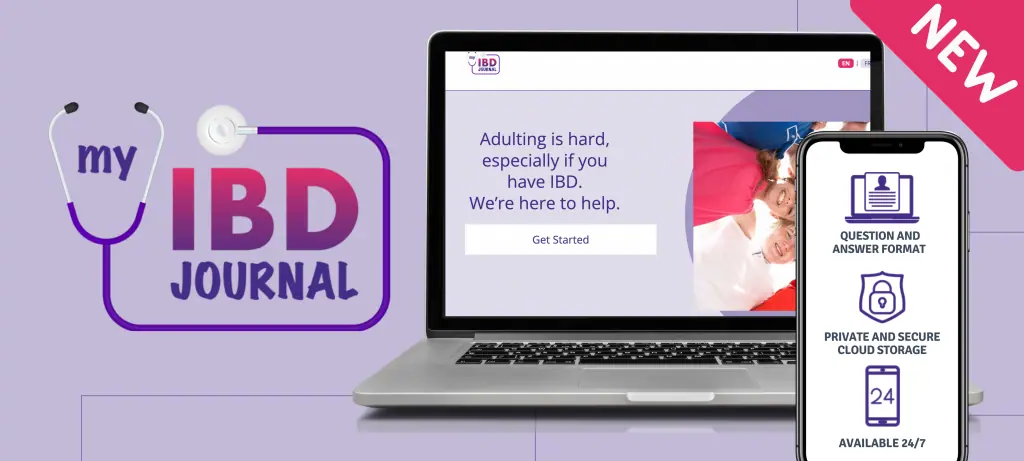
The Canadian Digestive Health Foundation, is excited to present My IBD Journal — an online journaling tool designed to help adolescents and young adults with Inflammatory Bowel Disease (IBD) manage their health as they transition from pediatric to adult care!
This secure platform allows you to take control of your healthcare journey by maintaining a detailed, private record of your medical history and personal experiences with IBD.
With My IBD Journal, you can continuously update your information or create multiple journals to reflect changes in your health over time.
You can login to access your journal any day at any time so you’ll never have to worry. You can even download your journal as a PDF to print or share with your healthcare providers.
Frequently Asked IBD Questions
1. How does ulcerative colitis affect someone?
People with ulcerative colitis (UC) may have:
- Up to 20 bowel movements a day
- Have false urges to go to the bathroom
- Loose stool that contains blood, pus and mucus.
IBD is a difficult disease to live with when it is flaring because the symptoms It causes can be painful, embarrassing and debilitating.
2. How does Crohn’s disease affect someone?
If someone you know has Crohn’s disease, they may experience periods of active symptoms (also referred to as a flare) and other times when symptoms are absent (remission).
When they are in a flare, symptoms of Crohn’s disease can be painful and debilitating.
They may experience:
- Abdominal pain and cramping
- Severe diarrhea
- Rectal bleeding
- Blood in stool
- Weight loss
- Diminished appetite
4. Will Inflammatory Bowel Disease ever go away?
IBD is a lifelong condition. While there is currently no cure for IBD, the disease can often be managed effectively with medical treatment and lifestyle modifications. The goal of treatment is typically to induce and maintain remission, which means reducing or eliminating symptoms and inflammation in the digestive tract. IBD is characterized by periods of active disease (flares) and periods of remission. Flares can be unpredictable and may require adjustments to treatment. On the other hand, many people with IBD can achieve periods of remission where their symptoms are minimal or absent, and their disease is under control. During these times, they may have a relatively normal quality of life.
5. What are the available treatment options for IBD?
Medications
Treatment for IBD often involves medications such as anti-inflammatory drugs, immunosuppressants, biologics/biosimilars, and corticosteroids to manage symptoms and reduce inflammation. These treatments can help control the disease and promote remission. Watch our video on understanding the benefits and risks of IBD therapies here. Switching from a reference biologic to a biosimilar? View our biosimilar library.
Lifestyle Modifications
Lifestyle changes, including dietary modifications, stress management, and regular exercise, can also play a role in managing IBD and preventing flares. More information on dietary updates and recommendations for the IBD patient can be found here.
Monitoring
People with IBD typically need ongoing medical monitoring and follow-up care to assess their disease activity and adjust treatment as needed. In some cases, surgery may be necessary to remove damaged sections of the digestive tract or address complications like strictures or abscesses. Surgery does not cure IBD but can help improve symptoms and quality of life.
It’s important to work closely with healthcare professionals, such as gastroenterologists, to develop an individualized treatment plan for IBD. While IBD may not go away permanently, many individuals with the condition can lead fulfilling lives with proper management and support. Advancements in treatment options and ongoing research continue to improve the outlook for people living with IBD, with the goal of achieving long-term remission and a better quality of life.
6. I have IBD, should I even consider getting pregnant?
It’s important to recognize that each person with Crohn’s disease and ulcerative colitis will have different chronic symptoms related to their disease state, will have different history of surgery related to their disease, and may also be on different medications to continue treating their disease and to keep their disease in remission.
Due to this, it is important that if you’re thinking about having a family that you involve your gastroenterologist first. More importantly, don’t make assumptions that you shouldn’t get pregnant because of your disease! Together with your physician, and your gastroenterologist – you can have a discussion that is specific to your IBD.
7. Does Diet Play a Role in IBD?
Diet can play an important role in IBD management. Diet can be used to help induce remission when you have active disease. This is important as up to 40% of patients may not respond to their usual medical therapies.
Diet can be used to help maintain longer lasting remission periods. Medications are incompletely effective, and up to 50% of patients may lose response over time. Additionally, diet can be used to help prevent new cases of IBD. This is of importance to people that have a strong family history of inflammatory bowel disease and may be at an increased risk.
Your doctor or your specialized IBD dietitian can provide you with information specific to your situation.
Other Resources to View and Share this Month:
- IBD Toolkit for the Newly Diagnosed
- Transitioning from Pediatric to Adult IBD
- IBD Transition Checklist for Patients and Parents
- Your IBD Questions Answered
- IBD and Pregnancy
- Living Positively with IBD
Diet & Lifestyle
Treatment Options
- Switching from a Reference Biologic to a Biosimilar? View our Biosimilar Library
- More on Crohn’s Disease
- More on Ulcerative Colitis
Donate to IBD Awareness & Research Initiatives
References
- Crohn’s & Colitis Canada. 2018 impact of IBD in Canada. https://crohnsandcolitis.ca/Crohns_and_Colitis/documents/reports/2018-Impact-Report-LR.pdf
- Crohn’s & Colitis Canada. Getting diagnosed. https://crohnsandcolitis.ca/About-Crohn-s-Colitis/IBD-Journey/Diagnosis-and-Testing/Getting-Diagnosed
- Walsham NE, Sherwood RA. Clin Exp Gastroenterol 2016;9:21.
- Crohn’s & Colitis Foundation. Understanding IBD medications. https://www.crohnscolitisfoundation.org/sites/default/files/legacy/assets/pdfs/understanding-ibd-medications-brochure-final.pdf
- Crohn’s & Colitis Foundation. Surgery. https://www.crohnscolitisfoundation.org/campus-connection/surgery
- Canadian Association of Gastroenterology (CAG) clinical practice guidelines. JCAG 2019;2:e1.








Infliximab for the Treatment of Inflammatory Bowel Disease: An Overview of Drug History and Delivery