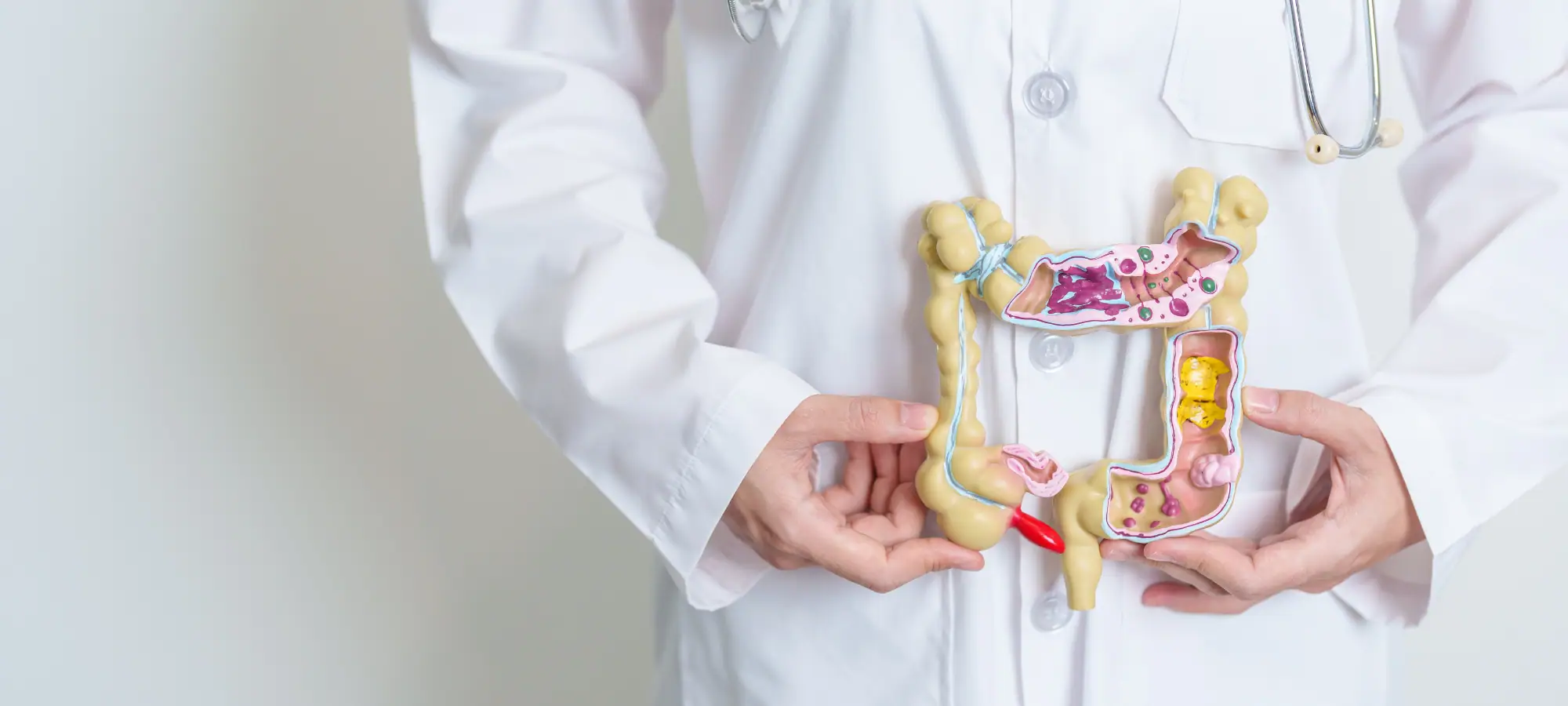
Identifying IBD Risk Factors: The First Step in Preventing IBD

Written by: Lily Ren, RD
Updated: October 31st, 2024
In 2023, approximately 322,600 Canadians—about 0.8% of the population—are living with Inflammatory Bowel Disease (IBD), a number projected to rise to 470,000 by 2035. An astounding 1.1% of the population! This trend is even more pronounced among children under six years old, who are experiencing the fastest rise in new diagnoses and face unique challenges as they grow older. As the prevalence of IBD is quickly increasing in Canada, understanding IBD risk factors that contribute to this chronic condition is more important than ever.
But First, What is Inflammatory Bowel Disease (IBD)?
Inflammatory Bowel Disease (IBD) is a chronic condition that causes inflammation in the digestive tract, often leading to uncomfortable symptoms including abdominal pain, diarrhea, fatigue and weight loss.
It primarily includes Crohn’s disease and ulcerative colitis, which differ in where they cause inflammation but share similar symptoms. IBD is not just a digestive issue—it can affect a person’s overall well-being, from mental health to physical stamina.
Why is it important to reduce prevalence of IBD on a nationwide level?
As the number of IBD cases are rising quickly, this places a significant burden on Canada’s healthcare system. Patients with IBD often require frequent doctor visits, hospitalizations, specialised testing, and long-term medication. This places an immense strain on healthcare providers and increasing costs.
In addition, as more children and seniors are diagnosed, the need for long-term and complex care continues to grow, especially as older adults experience more complications. The burden also extends to lost productivity, as many people with IBD face challenges with work and daily activities due to symptoms. Altogether, the high prevalence and lifelong nature of IBD drive up costs and create ongoing demands on Canada’s healthcare resources.

What causes IBD?
Managing IBD often involves medications, lifestyle changes, and, in some cases, surgery to help control symptoms and improve quality of life. While the exact cause is unclear, it’s development is influenced by many factors including:
- Genetics
- Environmental and Lifestyle Factors
- Diet and Nutrition
- Gut Microbiota
Therefore by identifying these IBD risk factors early, individuals and healthcare providers can work together to reduce likelihood of developing IBD. Together, we can take the first steps toward a healthier future. We discuss these factors in detail below.
Genetics
Family History
If a close family member has IBD, your chances of developing it are higher due to shared genetic traits. Shared genetic traits refer to characteristics or variations in DNA that family members inherit from their ancestors. These traits can influence how our bodies function, including immune responses. In the context of IBD, certain shared genetic traits can increase the likelihood of developing the disease if close relatives, like parents or siblings also have it.
Genetic Susceptibility
Specific gene variations, especially those affecting immune response, make some individuals more prone to the disease.
In 2001, the NOD2 gene was discovered. This was an important scientific discovery as this gene gives scientists insight into how Crohn’s disease may relate to gut bacteria, as NOD2 helps the immune system respond to these microbes. In fact, there are over 200 genetic mutations relating to the development of IBD.
Additionally, many of these genetic mutations are also linked to other immune-related diseases like type 1 diabetes, celiac disease, and rheumatoid arthritis. This research highlights the essential connection between the immune system in the intestines and the trillions of microbes living there.
However, genetics alone don’t cause IBD—lifestyle choices and environmental factors work with genetic predispositions, shaping the overall risk and impact of the disease.
Environmental and Lifestyle Factors
The world around us interacts with our bodies in many interesting ways. Science has shown that certain environmental exposures or behaviours may have a key role in either developing or preventing IBD.
Behaviours that May Increase Risk of IBD include:
- Smoking
- Living in areas with high levels of pollution
- Stress occurring short-term and/or long-term
- Use of Nonsteroidal Anti-Inflammatory Drugs (NSAIDs)
- Do not smoke or smoking cessation for current smokers
- Prioritise sleep and rest
- Limit stress or finds ways to engage in stress management
- Participate in physical activity or find ways to enjoy movement
- Living in rural areas or regions with lower levels of pollution
Diet and Nutrition
Unsurprisingly, diet plays an important role! Diet patterns that are rich in plant foods and minimally processed foods can reduce the risk of IBD.
Enrichen your diet by eating these foods more often:
- High fibre foods such as fruits, legumes, vegetables and whole grains
- Omega-3 foods such as nuts, seeds, fish and olive oil
On the other hand, the “Western Diet”, which reflects modern eating habits, has been linked to an increased risk of IBD. Today’s food landscape differs significantly from the traditional diet of past generations where foods were eaten soon after harvest, minimally processed and included a larger variety of plant foods.
Decrease your risk of IBD by reducing your intake of the following foods:
- Refined sugars
- Processed meats
- Fried and fatty foods
Gut Microbiota
The Hygiene Hypothesis – Is it possible to be too clean?
The Hygiene Hypothesis suggests that children who grow up in overly clean environments may not develop a strong immune response to microbes, increasing their risk of IBD later in life.
Microbes are tiny living organisms, like bacteria, viruses, and fungi, that are too small to see without a microscope. They live everywhere, including in our bodies, and play an essential role in keeping us healthy and supporting our immune system.
Evidence shows that children exposed to diverse microbes—such as those raised on farms or with pets—have a lower risk of IBD. Early exposure to antibiotics or lack of breastfeeding, both of which impact gut microbiome diversity, can increase IBD risk. Childhood infections like gastroenteritis also appear to increase susceptibility to Crohn’s disease and ulcerative colitis.
Why Breastfeeding Matters
Breastfeeding plays an important role in reducing the risk of IBD among children. It helps by providing essential nutrients, antibodies, and beneficial bacteria that support the development of a strong immune system and a healthy gut microbiome. These benefits contribute to lower inflammation in the digestive tract, making it less likely for IBD to develop later in life. Additionally, breastfeeding helps establish a balanced gut environment, which protects against harmful bacteria and potential triggers of IBD. Through these supportive effects, breastfeeding can offer long-term digestive health benefits for children.
The Importance of Early Identification and Intervention
Identifying IBD early can be life-changing. When IBD is caught in its initial stages, people have a much better chance to manage the symptoms effectively. Moreover, early detection allows healthcare providers to create a treatment plan tailored to each person’s needs, focusing on strategies that help reduce inflammation, minimize flare-ups, and support overall health.
Unfortunately, without early intervention, IBD symptoms often become more severe. For example, it may lead to complications like intestinal blockages, infections, and even malnutrition due to poor nutrient absorption. Moreover, timely treatment helps avoid some of the heavy physical and emotional tolls that untreated IBD can bring. People who get an early diagnosis are more likely to manage their condition with fewer medications or less invasive procedures.
Additionally, early diagnosis can give families and support networks a head start in learning how to support their loved ones and make necessary lifestyle adjustments. It also allows children, who are increasingly being diagnosed at younger ages, to access resources and build skills to live well with IBD as they grow.
In short, the sooner IBD is identified, the sooner individuals can take control of their health journey. Early identification and intervention offer a powerful opportunity for people to live fuller, healthier lives despite the challenges of IBD.
What Now?
IBD doesn’t have a single cause, but several key factors can raise the risk of developing it. By making a few simple, consistent lifestyle changes, you can reduce your risk of IBD and support your digestive health for years to come.
- Genetics: A family history of IBD increases the likelihood of developing the condition, as inherited genes may raise susceptibility. Ask your family doctor about screening if IBD runs in your family.
- Gut Microbiota: During infancy, breastfeed as able and allow safe, moderate exposure to different environments in early childhood to help build immune tolerance and lower the risk of autoimmune issues like IBD.
- Environmental and Lifestyle Factors: Smoking, high stress levels and urban living, add strain on the digestive system, making it more susceptible to IBD.
- Diet: Eating a diet rich in whole foods, high in fibre, and low in processed ingredients has a powerful impact on gut health.
Preventing IBD may not be entirely within our control, but with a proactive approach to lifestyle choices, we can greatly reduce the risk.
This article was made possible due to an unrestricted educational grant from Fresenius Kabi.

Resources
- Cosnes, J. (2010). Smoking, physical activity, nutrition and lifestyle: Environmental factors and their impact on IBD. Digestive Diseases, 28(3), 411–417. https://doi.org/10.1159/000320395
- Crohn’s & Colitis Canada. 2018 impact of IBD in Canada. https://crohnsandcolitis.ca/Crohns_and_Colitis/documents/reports/2018-Impact-Report-LR.pdf
- Crohn’s & Colitis Canada. 2023 impact of IBD in Canada.https://crohnsandcolitis.ca/Crohns_and_Colitis/documents/reports/2023-IBD-Report-English-LR.pdf?ext=.pdf
- Molodecky, N. A., & Kaplan, G. G. (2010). Environmental risk factors for inflammatory bowel disease. Gastroenterology & hepatology, 6(5), 339–346.
- Owczarek, D., Rodacki, T., Domagała-Rodacka, R., Cibor, D., & Mach, T. (2016). Diet and nutritional factors in inflammatory bowel diseases. World journal of gastroenterology, 22(3), 895–905. https://doi.org/10.3748/wjg.v22.i3.895
- Reddavide, R., Rotolo, O., Caruso, M. G., Stasi, E., Notarnicola, M., Miraglia, C., Nouvenne, A., Meschi, T., De’ Angelis, G. L., Di Mario, F., & Leandro, G. (2018). The role of diet in the prevention and treatment of Inflammatory Bowel Diseases. Acta bio-medica : Atenei Parmensis, 89(9-S), 60–75. https://doi.org/10.23750/abm.v89i9-S.7952








Infliximab for the Treatment of Inflammatory Bowel Disease: An Overview of Drug History and Delivery