High Fibre Foods for Kids: Easy & Tasty Ideas They’ll Actually Eat

Written by: Jaeli Ibbetson - Masters of Dietetics Student
Updated: September 30th, 2026
Fibre is often a hot topic for adults, but it rarely gets the spotlight when it comes to kids’ nutrition. The truth is fibre plays a big role in how kids feel day to day, supporting digestion, preventing constipation, and keeping their tummies happy overall. As parents and caregivers, we want to make choices that help our kids grow up healthy and happy and incorporating high fibre foods for kids is one simple way to make a difference.
Despite its benefits, many kids don’t get enough fibre in their diets, making it even more important to build healthy habits early. The good news is a few simple changes to what they eat can have a big impact!
In this article we’ll explore the importance of fibre for kids, how much they need, some high fibre foods for kids including healthy after-school and road trip snacks, and fun, easy snack ideas they’ll actually enjoy (yes, even picky eaters!) Let’s dive in!
What is Fibre?
Fibre is a part of plant foods like fruits, vegetables, grains, and beans that your body can’t digest. Instead of being broken down and absorbed by your body, fibre moves through the body intact and helps keep your digestion running smoothly by moving food through your system. It also comes with plenty of other important health benefits too… which we’ll get into in a sec!
Is all Fibre the same?
Fibre comes in two main types: soluble and insoluble.
- Soluble fibre dissolves in water and forms a thick gel-like texture. It slows down digestion, helps control blood sugar, and feeds the good bacteria in your gut.
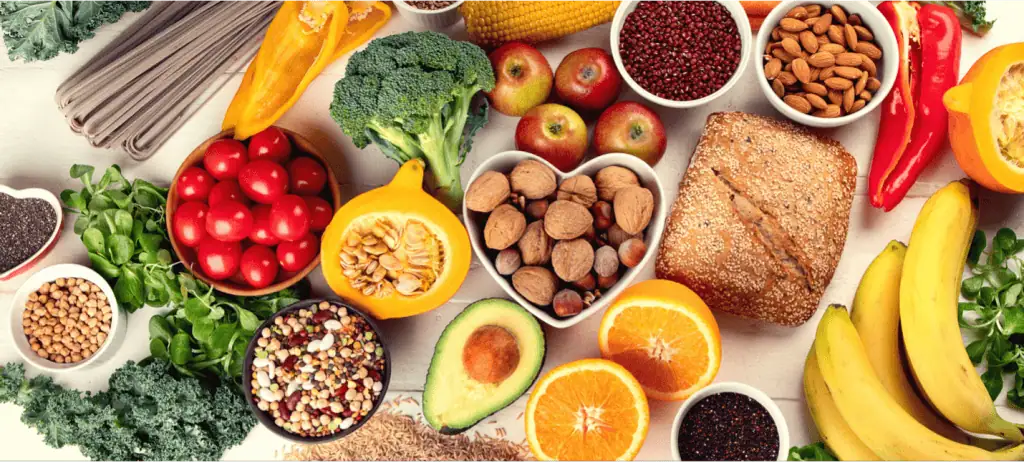
Common sources: oats, apples, bananas, beans, lentils, chia seeds, barley, edamame
- Insoluble fibre doesn’t dissolve in water. Instead, it adds bulk to stool and helps food move through your digestive system, preventing constipation.
Common sources: whole grain foods such as whole grain breads and cereals, carrots, corn, celery, fruit and veggie skins, popcorn
Both soluble and insoluble fibre each play a role in supporting health, so offering a variety of high fibre foods for kids can help them get the best of both.
Why Fibre Matters for Kids
- Helps prevent constipation Fibre isn’t fully digested, so it adds bulk and soaks up water in the gut. This helps keep things moving and makes it easier for kids to go to the bathroom regularly.
- Supports a healthy gut When fibre reaches the lower part of the gut, it ferments and feeds the good bacteria living there. A strong gut microbiome can help with digestion, immunity, and overall health.
- Keeps kids feeling full longer Soluble fibre forms a gel-like texture in the digestive tract, which slows down how fast food moves through the body. This helps kids feel full and satisfied for longer, fuelling their energy for learning and playing, and means fewer constant snack requests!
- Helps Balance Blood sugars Because soluble fibre slows digestion, sugars from food are absorbed more gradually. This helps prevent spikes and crashes in blood sugar, which can affect mood, learning, and behaviour.
How Much Fibre Do Kids Need?
Fibre needs change as kids grow. As their bodies develop and their appetites increase, so does the amount of fibre they need to support digestion, prevent constipation, and maintain gut health. The table below outlines daily fibre recommendations for children and teens, using guidelines from Health Canada’s Dietary Reference Intakes.
| Age Range | Recommended Daily Fibre Intake |
| 1–3 years | 19 grams |
| 4-8 years | 25 grams |
| 9–13 years (girls) | 26 grams |
| 9–13 years (boys) | 31 grams |
| 14–18 years (girls) | 26 grams |
| 14–18 years (boys) | 38 grams |
Here are some tasty and fibre-packed foods your kids might already enjoy!
Fruits and Vegetables
Fruits and veggies are packed with fibre, vitamins, and minerals that help keep kids healthy and energized. Fresh, frozen, or canned (just look for ones with no added sugar or salt) all count!
- Adding them to smoothies
- Stirring them into pasta or add to sandwiches
- Serving raw with dip for an easy fibre boost
Examples:
- Banana, orange, kiwi: 2g
- Broccoli, brussel sprouts, carrots, corn, green beans, okra, parsnip (1/2 cup): 2g
- Strawberries (1/2 cup): 4g
- Sweet potato (1/2 cup): 4g
- 1 medium potato (with skin): 4g
- Avocado (1/2): 6g
- Pear (with skin): 6g
- Green peas (1/2 cup): 6g
Whole Grains
Whole grains keep all parts of the grain, making them higher in fibre and nutrients to help fuel growing bodies. Try swapping refined (white) grains for whole grain options such as:
- Whole wheat bread
- High-fibre cereals
- Whole grain pasta
- Quinoa
- Brown rice
Some white grain products have fibre added back after processing (e.g., enriched or fortified options). Look for white grain products labeled as ‘high in fibre’ or ‘enriched with fibre’ as these can be a good option for kids who don’t love the taste or texture of whole wheat
Examples
- Whole grain bread/tortillas (1 slice): 2g
- Whole wheat pita, roti, naan (1 slice): 2g
- Popcorn (2 cups): 2g
- Amaranth, millet, teff (3/4 cup cooked): 4g
- Oatmeal (3/4 cup cooked): 4g
- 100% bran cereal (non-flake): 6g
- Psyllium (2 tbsp): 6g
Legumes
Legumes are packed with fibre and plant-based protein, making them super satisfying and budget-friendly, perfect for growing kids!
They’re easy to add to family meals
- Mix canned lentils into pasta sauce
- Stir black beans into a stir-fry
- Blend chickpeas into hummus for a tasty dip
You can even mix beans with ground meat in kid-favorites like tacos or spaghetti to boost the fibre without changing the flavor too much.
Examples
- Split peas (cooked, ¾ cup): 4g
- Hummus (1/4 cup): 4g
- Beans or lentils (3/4 cup cooked): 6g
- Edamame (3/4 cup): 6g
Nuts & Seeds
Nuts and seeds are tiny but powerful! They’re full of fibre, healthy fats, and a bit of protein too.
- Chia, flax, and sunflower seeds: stir into yogurt or sprinkle on cereal
- Nuts like almonds and pistachios make a great crunchy snack
Examples
- Brazil nuts, pumpkin seeds, sunflower seeds (1/4 cup): 2g
- Peanut butter (2 tbsp): 2g
- Ground flaxseed (2 tbsp): 4g
- Almonds, sesame seeds (1/4 cup): 4g
- Chia seeds, psyllium (2 tbsp): 6g
Safety First: Age-Appropriate Fibre Foods
While fibre is important, it’s also key to consider food textures and choking risks, especially for toddlers and younger kids.
Avoid hard, small, or tough-to-chew foods for kids under 4 years old, such as:
- Popcorn
- Whole nuts
- Raw carrots
- Large chunks of raw apples
Instead, choose softer, safer options like
- Mashed beans
- Cooked vegetables
- Nut butters spread thinly
- Soft fruits like banana and avocado
Always supervise young children during meals and snacks to help keep them safe while they explore new foods.
Fibre Supplements for Kids
Ideally, kids should be getting their fibre from whole foods like fruits, vegetables, whole grains, and legumes, but let’s be real, when you’ve got a picky eater, that’s easier said than done. If your child isn’t getting enough fibre from food, and your go-to picky eater tricks aren’t cutting it, a fibre supplement might help fill in the gaps, especially if they’re struggling with constipation.
If you’re considering a fibre supplement for your child, here are a few things to keep in mind:
- Always aim to get fibre from food first, but supplements can support when needed
- Look for options like powdered psyllium, inulin, or glucomannan that can be mixed into smoothies, yogurt, or oatmeal.
- Start low and go slow to avoid bloating or gas.
- Make sure your child is drinking plenty of water throughout the day.
- Always check with your child’s healthcare provider before starting a supplement.
What about fibre gummies?
Gummies made with ingredients like inulin or chicory root are super common and often marketed as a kid-friendly option. They can be a tasty and convenient option, but there isn’t a lot of strong research yet on how well they actually work for kids. If you’re curious about trying them, it’s best to talk to your healthcare provider about what’s right for your child.
Healthy After School Snacks
When it comes to healthy snacking, high fibre foods for kids don’t have to be boring or bland. From popcorn and avocado toast to edamame and hummus with veggies, there are plenty of fun and tasty ways to add in more fibre throughout the day.
| Snack Idea | Fibre Boost |
| Apple slices with almond butter | Fruit + nut fibre |
| High-fibre cereal with milk or yogurt | Whole grains + added fibre |
| Yogurt with raspberries & flax | Berries + seeds |
| Oat energy bites | Oats, chia, flax seed, nut butter |
| Popcorn | Whole grain |
| Whole grain toast with mashed avocado | Avocado + fibre-rich bread |
| Zucchini muffins | Zucchini, carrot, whole wheat flour |
| Hummus and baby carrots | Chickpeas + raw veggies |
| Black bean and corn salad | Beans + whole grains |
| Whole wheat roti with lentil dal | Whole wheat + lentils |
| Edamame beans | Soybeans |
| Bulgur wheat tabbouleh | Whole grain + fresh herbs |
Note: If your child has a nut allergy, skip snacks with nuts or nut butters. Even though these are after-school ideas, many schools are nut-free, so it’s always a good idea to check your school’s policy or be mindful when friends are over for snacks.
Healthy & High-fibre Road Trip Snacks for Kids

When you’re on the go, these fibre-friendly snacks are easy to pack:
- Homemade granola bars (with oats, chia seeds, and flax)
- Squeezable fruit pouches
- Roasted chickpeas
- Trail mix (nuts, seeds, dried fruit)
- Whole grain wraps with turkey, spinach, and hummus
- Whole grain sandwiches
- Whole grain crackers with cheese
- Raw veggies and hummus
- Zucchini muffins
- Lentil patties or falafel balls
- Baked plantain chips
What If You Have a Picky Eater?
If your child isn’t the biggest fan of high-fibre foods, you’re not alone. Here are 5 fibre hacks to help boost their intake:
Start with Simple Swaps
Switch out white grains for whole grains to gradually boost fibre without changing too much at once. Try using whole grain bread, pasta, wraps, or crackers instead of white versions. If that feels like a big change, start by mixing half whole grains with half regular, for example, half white pasta and half chickpea pasta, or regular cereal with some high-fibre oats mixed in. This way, kids get more fibre without even noticing the difference!
Blend It & Bake It
Sometimes kids aren’t big fans of eating fibre-rich foods on their own, so this approach helps sneak those healthy ingredients into foods they already love. You can blend fibre-packed items into smoothies for an easy drink, bake them into treats like muffins or pancakes so they’re tasty and familiar, or hide pureed veggies and beans in sauces and dishes without changing the flavor.
- Example recipes to look up: Avocado Black Bean Brownies, Hidden veggie pasta sauce, high fibre pancakes
Let Them Take the Lead
Bring your child grocery shopping and let them choose one new fruit or veggie to try that week. Letting them help choose and prepare foods often leads to more interest in eating them!
Pair Fibre with Faves
One of the easiest ways to increase kids’ fibre intake is by adding fibre-rich ingredients to foods they already love.
- Love peanut butter? Serve it on whole grain toast or apple slices.
- Love pasta? Try half regular, half lentil noodles or make the sauce high fibre with blended spinach, avocado, or veggies
Go Slow and Hydrate
Too much fibre too fast can lead to tummy discomfort. Introduce fibre-rich foods gradually, and make sure your child is drinking enough water to keep digestion running smoothly.
Key Takeaways
Supporting your kid’s digestion doesn’t have to be complicated or boring. From fibre-rich meals to easy after-school snacks, small changes, like adding one or two high fibre foods for kids, can really add up.
- Fibre supports regular digestion, gut health, and keeps kids full longer.
- Most kids need more fibre, so starting good habits early is important.
- Include fibre-rich foods like whole grains, fruits, vegetables, legumes, nuts, and seeds regularly.
- Use tricks like blending fibre into smoothies or baking it into muffins to make it easier for picky eaters.
- Introduce fibre gradually and encourage plenty of water and physical activity to keep digestion smooth.
- If needed, fibre supplements may help but always check with your child’s healthcare provider first.

References
Alberta Health Services. (n.d.). Fibre facts. https://www.albertahealthservices.ca/assets/info/nutrition/if-nfs-fibre-facts.pdf
Ambitious Kitchen. (2016, November 23). Healthy avocado black bean brownies. Ambitious Kitchen. https://www.ambitiouskitchen.com/healthy-avocado-black-bean-brownies/
American Diabetes Association. (n.d.). High-fiber zucchini muffins. Diabetes Food Hub. https://diabetesfoodhub.org/recipes/high-fiber-zucchini-muffins
Barber, T. M., Kabisch, S., Pfeiffer, A. F. H., & Weickert, M. O. (2020). The health benefits of dietary fibre. Nutrients, 12(10), 3209. https://doi.org/10.3390/nu12103209
Duff, J. (2024, March 22). Healthy high fiber pancakes recipe. The Diet Chef. https://www.thedietchefs.com/healthy-high-fiber-pancakes-recipe/
Health Canada. (2022, August 17). Reference values for macronutrients. Government of Canada. https://www.canada.ca/en/health-canada/services/food-nutrition/healthy-eating/dietary-reference-intakes/tables/reference-values-macronutrients.html
Korczak, R., Kamil, A., Fleige, L., Donovan, S. M., & Slavin, J. L. (2017). Dietary fiber and digestive health in children. Nutrition Reviews, 75(4), 241–259. https://doi.org/10.1093/nutrit/nuw068
Salvatore, S., Battigaglia, M. S., Murone, E., Dozio, E., Pensabene, L., & Agosti, M. (2023). Dietary fibers in healthy children and in pediatric gastrointestinal disorders: A practical guide. Nutrients, 15(9), 2208. https://doi.org/10.3390/nu15092208
Williams, C. L., Bollella, M., Wynder, E. L., & American Health Foundation, Valhalla, NY. (1995). A new recommendation for dietary fiber in childhood. Pediatrics (Evanston), 96(5), 985–988. https://doi.org/10.1542/peds.96.5.985