Getting Kids to Eat More Fibre: 14 Foods That Actually Work

Written by: Health Stand Nutrition Dietitian Team
Updated: September 21st, 2026
Fibre has a reputation problem with kids. Say the word and most parents picture a battle at the dinner table. But fibre doesn’t have to come from foods a child already resents. With the right approach, it can slot quietly into meals and snacks kids already enjoy.
Here’s a practical look at what fibre does, how much kids need, and 14 foods that make it easy to get more of it into a family’s routine.
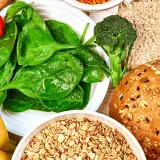
High-fibre foods for kids include whole grains, fruits, vegetables, beans, legumes, nuts and seeds. To help kids eat more fibre, start with foods they already enjoy and gradually addd or swap in higher-fibre options. Fibre supports healthy digestion, regular bowel movements and overall health.
What fibre actually is
Fibre is the part of plant foods the body can’t fully break down or absorb. It comes in two forms, and both matter.
Soluble fibre dissolves in water and turns into a gel-like substance in the gut. It plays a role in managing cholesterol and blood sugar. It’s found in avocado, figs, apples, sweet potato, oranges, beans, chickpeas, tofu, and ground psyllium husks.
Insoluble fibre doesn’t dissolve in water. Instead, it adds bulk to stool and helps keep things moving, supporting regularity and offering some protection against certain cancers and heart disease. Vegetables, fruit, nuts, and whole grain foods like whole grain bread and cereal are the main sources.
Why fibre matters beyond “keeping kids regular”
Fibre supports digestion. Enough fibre from a range of sources helps form solid stool, and keeps bowel movements regular.
It supports heart health. One 2022 systematic review indicated that increasing your intake of foods rich in soluble fibre, such as oats, may help lower Low-Density Lipoprotein (LDL) cholesterol.. More on why fibre is good for heart health.
Can help steady blood sugar and energy. Fibre slows down how quickly food raises blood sugar compared to more refined carbohydrates. , This can mean fewer energy crashes and longer-lasting fullness between meals and snacks.
It feeds the gut microbiome. The bacteria living in the gut rely on fibre for fuel. More fibre generally means a more robust bacterial community, which has additional benefits for digestion, immunity, and even mood.
How much fibre do kids actually need?
Children’s fibre needs vary by age and sex, ranging from 19-38 grams per day. As a general marker, any food with 6 grams of fibre or more per serving counts as a very good source.
| Age Group | Daily Target |
| Children, 1 to 3 years | 19 grams |
| Children, 4 to 8 years | 25 grams |
| Boys, 9 to 13 years | 31 grams |
| Boys, 14 to 18 years | 38 grams |
| Girls, 9 to 13 years | 26 grams |
| Girls, 14 to 18 years | 26 grams |
| Men, 19 to 50 years | 38 grams |
| Men, 51+ years | 30 grams |
| Women, 19 to 50 years | 25 grams |
| Women, 51+ years | 21 grams |
| Pregnant women | 28 grams |
| Breastfeeding women | 29 grams |
Source: Unlock Food
The easiest way to start: build on what they already like
Rather than introducing unfamiliar high-fibre foods , parents can start with a child’s existing favourites and adjust from there.
- Crunchy-food kids: put together a plate of fibre-rich crackers, popcorn, nuts, seeds, and cut veggies.
- Sweet-tooth kids: try a fruit parfait topped with hemp hearts, apple slices with nut butter, baked pears with cinnamon or black bean brownies.
- Kids who prefer plain, “beige” foods: swap in a higher-fibre fortified white pasta, leave the skin on potatoes, or stir psyllium into yogurt where it disappears.
14 fibre-rich foods worth adding to the rotation
1. Whole grain flours
Whole grain bread, buns, wraps, pitas, and pasta. Check that a whole grain flour (oat, wheat, buckwheat, etc.) is listed first on the ingredient list. If a child resists anything visibly “whole grain,” white products fortified with inulin or oat hull fibre are a good alternative. When baking at home, try swapping in whole grain flour for half the amount called for, like in this whole-wheat banana muffin recipe.
2. High-fibre cereal
Start with a cereal the child already eats, and add in a higher-fibre option like spoon-sized shredded wheat, bran cereal, or corn bran squares.
3. Pears
Toss into fruit salad, drizzle with honey and cinnamon, or bake into a crisp.
4. Avocado
If guacamole and avocado toast are non-starters, chocolate avocado pudding is a great option to try.
5. Oats
Sweet or savoury oatmeal, overnight oats, or added into baked goods like these cookies.
6. Crackers
Scan the ingredients for whole grains, and check the fibre count on the nutrition panel. Pair with cheese, nut butter, or a dip to make them more appealing.
7. Roasted soybeans
Eat on their own or mix into trail mix and snack plates.
8. Beans, lentils, and chickpeas
If these aren’t a regular feature yet, start by adding beans or lentils into ground meat dishes like tacos or spaghetti sauce. They also work great puréed into soup, roasted for a crunchy snack, or baked into brownies. Here are some more ideas to add legumes into your dishes.
9. Edamame
Some kids enjoy popping these straight from the pod. Others prefer them mixed into pasta salad or blended into a dip.
10. Peas
An easy add to soups, stews, pasta salad, and casseroles.
11. Potatoes with the skin on
Wedges, potato salad, baked, smashed, or mashed, the skin adds fibre without much extra effort. Sweet potatoes work the same way.
12. Berries
Stir into cereal, fold into pancake or muffin batter, or dunk into yogurt.
13. Nuts and seeds
If eating them plain isn’t appealing, mix them into baked goods, trail mix, or energy balls.
14. Chia seeds
Sprinkle over salad, cereal, yogurt, or pasta, or turn them into chia pudding.
The bottom line
Getting more fibre into a child’s diet doesn’t require a dramatic overhaul. Small substitutions, leaving the skin on, blending in a legume, and choosing a higher-fibre version of a familiar food, add up over time. Starting with what a child already likes, and building from there, tends to work best.
This resource was written by Christine Devaney-Towsley, Registered Dietitian at Health Stand Nutrition
Christine Devaney-Towsley is a Registered Dietitian with Health Stand Nutrition, a team of Registered Dietitians in Calgary supporting individuals and families with nutrition education and practical meal planning since 2000. Learn more at healthstandnutrition.com.