Travelling with IBS: A Practical Low FODMAP Guide for Eating Abroad

Written by: Health Stand Nutrition Dietitian Team
Updated: June 8th, 2026
Travelling with IBS can feel both exciting and uncertain—particularly when individuals are following a low FODMAP approach. Exploring new destinations often means encountering unfamiliar foods, routines, and environments, all of which can impact digestion.
With thoughtful preparation and a flexible mindset, it is possible to enjoy travel while minimizing symptom flare-ups. This dietitian-written guide outlines practical strategies across three key phases of travel: before, during, and after a trip.
Understanding Low FODMAP Eating
Before outlining travel-specific strategies, a brief refresher is helpful. FODMAPs (Fermentable Oligosaccharides, Disaccharides, Monosaccharides, and Polyols) are certain carbohydrates that may trigger digestive symptoms like bloating, gas, abdominal pain, diarrhea, or constipation in individuals with IBS.
The low FODMAP approach is typically completed in three phases:
- Elimination
- Reintroduction (challenge)
- Personalization
This process helps identify your unique tolerance levels and food triggers.
Preparing for Travel with IBS
Planning ahead is one of the most important steps for a smoother travel experience for individuals with IBS. The following considerations can support preparation before departure.
Before the Trip Checklist:
- Is this the right time to do the low FODMAP trial?
- Research local cuisine options
- Have your essentials ready to go
- Smartphone apps at your fingertips
- Stock up on low FODMAP packaged snacks
- Heat compression to the rescue
- Prep your travel buddy
- Call up the airline
- Carry-on your meds and supplements
1. Is this the right time to follow the low FODMAP approach?
Timing is an important consideration. If you’re already in the personalization phase and understand your triggers, maintaining your approach while traveling may be realistic.
However, if you’re just starting the elimination or challenge phase, it may be worth reconsidering. These stages require consistency, learning, and attention—something that can be difficult while navigating new environments.
Travel introduces many variables beyond food, including stress, time zone changes, sleep disruption, and exposure to new bacteria. These factors alone can influence gut symptoms, making it harder to identify true food triggers.
If needed, consider pausing the process during your trip and resuming once you’re back home. A more flexible or “gentle” approach may also be an option—discuss this with your dietitian.
2. Research local cuisine options
Familiarity with foods at the destination can make a meaningful difference. Look into traditional dishes, common ingredients, and preparation methods.
Creating a simple “foods to include vs. avoid” list can be helpful—whether saved digitally, written in a notebook, or translated into the local language for easier communication.
3. Get your essentials ready
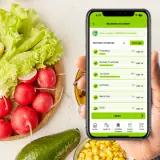
Helpful apps:
- Monash University FODMAP app
- FODMAP Friendly app
- Nerva app (gut-directed hypnotherapy)
Low FODMAP snack ideas:
- 10 almonds
- Pumpkin seeds
- Seaweed snacks
- Plain instant oatmeal
- Chia seeds
- Plain popcorn
- Rice cakes with nut butter
- Gluten-free crackers or pretzels
- Low FODMAP protein bars/powders
Always double-check ingredient lists, especially when traveling internationally.
Comfort tools:
Bringing a heat pack, hot water bottle, or hand warmers may help relieve abdominal discomfort when symptoms arise.
Travel companions:
If travelling with others, communicating needs in advance can help reduce stress and avoid last-minute adjustments.
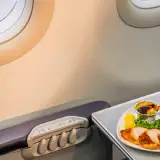
Airline meals:
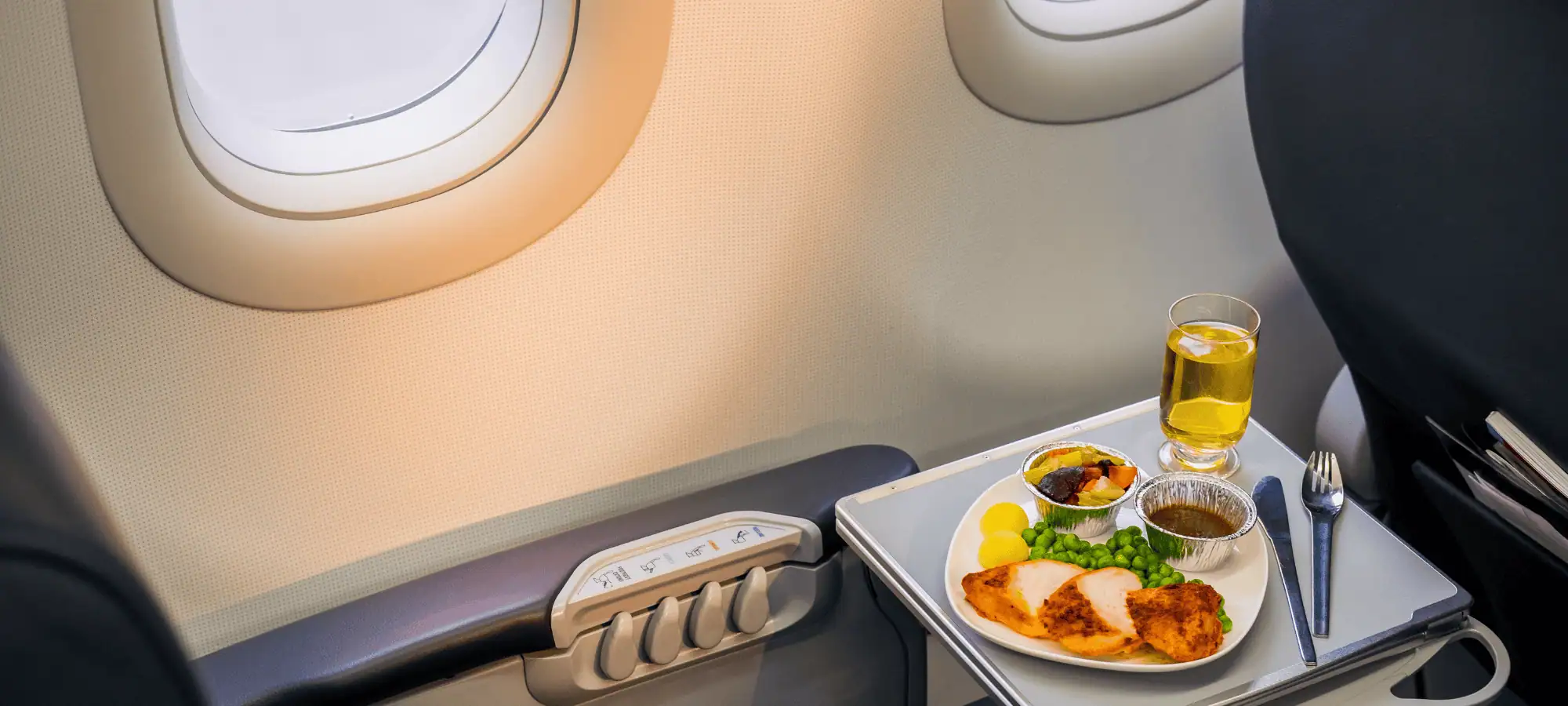
While not perfect, requesting a gluten-free meal can be a helpful starting point. When possible, avoid key triggers like garlic, onion, and lactose.
Medications and supplements:
Keep these in your carry-on for easy access. Common options may include:
- Gas relief products
- Lactase supplements
- Peppermint oil capsules
- Digestive enzymes
- Herbal teas like peppermint or ginger
Managing IBS While You Travel
Once travel begins, the focus shifts to maintaining consistency where possible while remaining flexible.
During the Trip Checklist:
- Start the day right: Schedule a time for bowel movements
- Watch out for raw food consumption
- Take charge and whip up your own culinary creations
- Be restaurant smart
- Stay hydrated
- Create a mini oasis to release some steam
- Embrace flexibility
1. Maintain a routine where possible
Setting aside time—particularly in the morning—for bowel movements can support regular digestion and help reduce urgency later in the day.
2. Be cautious with raw foods
In regions where food safety may be a concern, prioritize fully cooked meals. Use safe drinking water for washing produce, and be mindful of ice, street food, and uncooked items.
3. Prepare simple meals when you can
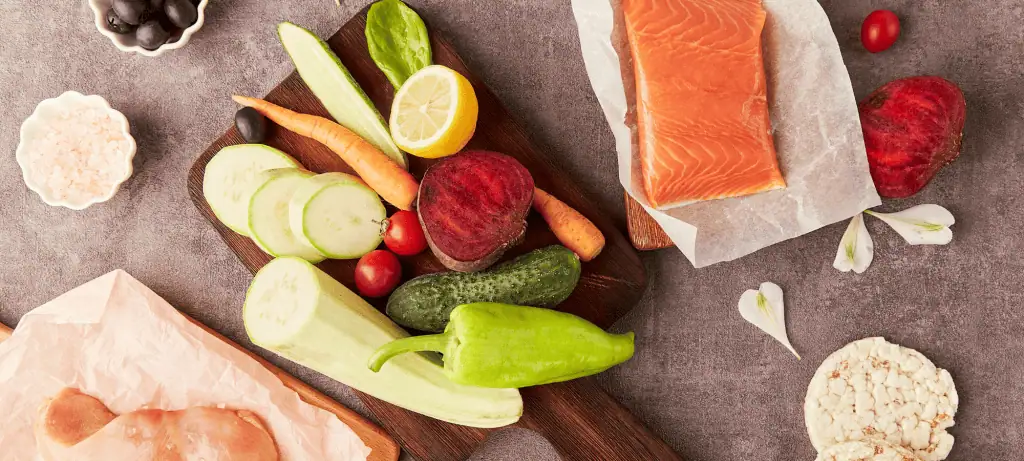
If your accommodation allows, preparing a few meals yourself can provide more control over ingredients.
Meal ideas:
- Eggs with sourdough toast and banana
- Rice bowls with chicken and vegetables
- Baked salmon with potatoes and green beans
Snack ideas:
- Lactose-free yogurt with nuts
- Oatmeal with chia seeds
- Hard-boiled eggs with fruit
4. Make informed restaurant choices
Clear communication with food service staff is important. Use your food lists or translated cards when ordering. Choosing simple, minimally seasoned meals (e.g., grilled protein with rice or potatoes) can help reduce uncertainty. Mixed dishes like stews or curries may be harder to modify, so consider portion size or sharing.
5. Stay hydrated
Adequate fluid intake supports digestion and overall gut function. Limit caffeine and alcohol if they trigger symptoms, and consider herbal teas like peppermint or ginger.
6. Manage stress proactively
Travel can bring both excitement and stress, both of which may affect gut function. Build in time to rest and recharge.
Helpful strategies include:
- Deep breathing or relaxation exercises
- Walking or light movement
- Yoga or stretching
- Scheduling breaks throughout the day
7. Stay flexible
Even with careful planning, challenges may arise. Focus on minimizing discomfort rather than aiming for perfection. Tracking food intake and symptoms during your trip can also provide useful insights for future travel.
Supporting Your Gut After Travel
Returning home provides an opportunity to reset routine and support digestive function.
After the Trip Checklist:
- Reflection is key
- Re-establish a routine
- Follow through with the FODMAP stages
- Proper hydration
- Consult healthcare professionals as needed
1. Reflect on your experience
Reflection on what worked well and what was challenging can provide useful insight. Identifying patterns in foods, stress levels, and symptoms can help guide future trips.
2. Rebuild your routine
A gradual return to consistent meal timing, sleep patterns, and bowel habits is recommended. Address jet lag by adjusting your schedule and getting daylight exposure.
3. Continue your FODMAP journey
If you’re mid-process, resume where you left off. Allow a few days for your system to stabilize before moving into the next phase.
4. Prioritize hydration
Travel can disrupt hydration status. Replenishing fluids supports digestion and overall recovery.
5. Seek support if needed
If symptoms persist or worsen, consider consulting a physician or registered dietitian for individualized guidance.
Final Thoughts
Travelling with IBS while following a low FODMAP approach requires preparation, but it is manageable. By planning ahead, making informed food choices, and staying adaptable, you can enjoy new experiences while supporting your gut health.
With the right strategies in place, individuals can explore confidently while supporting their digestive health.
If you’re navigating IBS and unsure how to apply the low FODMAP approach to your lifestyle, working with a qualified professional can make a meaningful difference.
The team at Health Stand Nutrition includes Registered Dietitians specializing in IBS and gut health, offering personalized guidance to help individuals identify triggers and build sustainable eating habits.
This resource was written by the Dieticians at Health Stand Nutrition