Probiotic & Prebiotic Foods for Constipation: Do They Work?

Written by: Julia Zakrzewski, RD
Updated: November 27th, 2024
Probiotics are living microorganisms that may positively affect gastrointestinal health and help you with regular bowel movements. They’re often packaged into oral supplements or in some probiotic foods like yogurt and kefir.
Probiotics aren’t the only microbes that can help you go to the bathroom; prebiotics act as a nutrition for gut bacteria, helping them flourish and in turn helping our bodies stay healthy. They’re sometimes sold as supplements but are also naturally found in some foods.
Keep reading to learn about these impressive microorganisms and how they can help with constipation.
Understanding Constipation
Constipation is when you have fewer than three bowel movements per week. While constipated, the stool can be very hard, dry, and difficult to pass. As a result, you may spend more time straining on the toilet, and it can feel like there’s still stool left in your colon after defecating.
If you’re unable to go to the bathroom regularly, ask your doctor to assess your digestive health. They can thoroughly review your medical history, perform physical exams, and use diagnostic imaging to understand better why you’re experiencing constipation.
After completing their assessments, they can develop a personalized care plan to help you feel your best and poop more regularly. Working closely with a dietitian may also help you prevent future bouts of constipation.
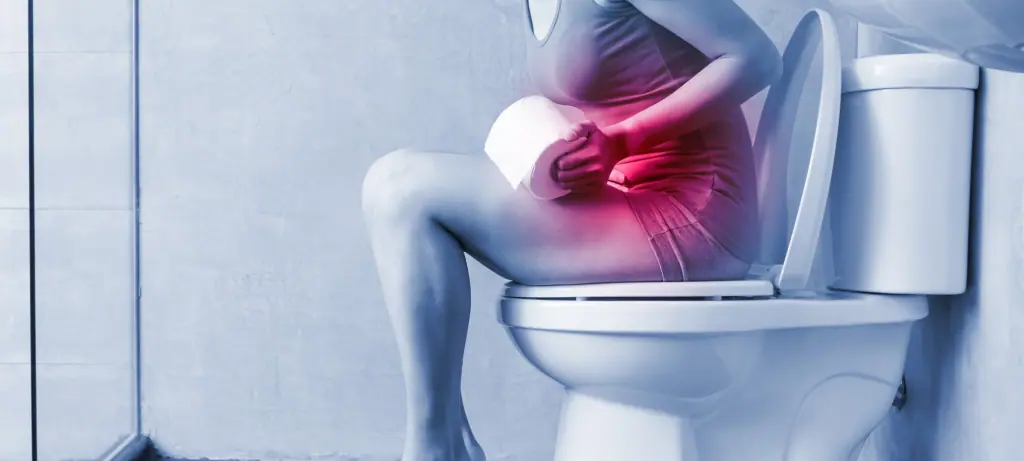
Factors That May Cause Constipation
Constipation can be a symptom or side effect of something else. For example, some pain management medications or iron supplements can decrease how often you go to the bathroom and lead to constipation.
Other factors that can contribute to constipation include:
- Eating a low-fibre diet
- Being inactive
- Being away from home and eating and drinking new foods
- Being dehydrated
- Ignoring the urge to use the bathroom
Uncontrollable Factors
Some uncontrollable factors can increase your risk of constipation. These include:
- Having functional gut disorders like irritable bowel syndrome (IBS)
- Having celiac disease
- Conditions that affect your neurological function and spine, including Parkinson’s
- Conditions that impact your metabolism, including diabetes
- Endocrine disorders such as hypothyroidism
- Anatomic abnormalities in your intestines
- Aging
Role of Probiotics in Digestive Health
Probiotics are microorganisms that live throughout the gastrointestinal tract. Health authorities believe they can positively affect health by supporting a balanced microbiome that is rich with diverse bacterial colonies.
The World Gastroenterology Organization (WGO) states that specific probiotic strains may aid these areas of your digestive health. Please note that this list is not exhaustive:
- Improving bloating in people with IBS
- Treating and preventing diarrhea
- Eradicating H.Pylori
- Improving digestive symptoms caused by lactose intolerance
Remember that probiotics are not miraculous, but they may be helpful catalysts for gut health improvements when combined with other evidence-based practices. For many people managing constipation, this includes eating fibre-rich foods, staying hydrated, and being active.
Strains and Their Effects Linked to Constipation
The type (and dose) of probiotic strain you take matters. Each probiotic is unique, with specific strains that can help specific conditions. Some popular strains that are linked to GI disorders in youth and adults include:
- Lactobacillus reuteri for functional constipation
- Bifidobacterium animalis for IBS
- Lactobacillus casei strain Shirota for hard and lumpy stools
Your doctor, pharmacist, or dietitian can tell you what strain and dosage to take for optimal results.
Probiotic Foods
Probiotic foods are fermented, but not all fermented foods contain probiotics. Some research suggests that some yogurts and kefir with specific bacterial strains may help with overall gut health and bowel regularity.
More research is needed to understand better how probiotic foods could support digestive health.
Prebiotic Foods
Prebiotics have a different role from probiotics and are naturally found in many fibre-rich foods, whereas probiotics are “live microorganisms which when administered in adequate amounts confer a health benefit on the host.”
Prebiotics nourish probiotic microorganisms and help support a flourishing, diverse microbiome.
Interestingly, the WGO reports that prebiotics may be beneficial for managing constipation by shortening stool transit time and increasing fecal weight.
Examples of foods that contain prebiotics include:
- Asparagus
- Garlic
- Onion
- Honey
- Banana
- Tomato
- Wheat-based products (cereals, crackers, etc.)
- Barley
- Rye
- Peas
- Beans
- Seaweed
Medical Interventions
Registered dietitians are qualified to provide dietary recommendations that prevent or treat constipation. If these strategies aren’t working, they may recommend over-the-counter laxatives, including:
- Stimulant laxatives: Stimulate intestinal muscles to contract and move stool out.
- Bulk-forming laxatives: Absorb water to create soft, bulky stool, which helps the intestines contract normally.
- Stool Softeners: Add moisture to soften stool, making bowel movements easier and strain-free.
- Osmotic Laxatives: These laxatives draw water into the colon, making it easier for the stool to move through when it has been pushed forward by the gut muscles. The medicinal ingredient, polyethylene glycol, lubricates your gut but may take 2 to 4 days to produce a bowel movement.
These products may not be right for you. Always read and follow the label and talk to your doctor or pharmacist to see if a laxative is the right approach for you.
Final Thoughts
Some probiotic strains at specific doses may benefit gut health and relieve constipation.
Other changes that could help include eating prebiotic-rich foods and yogurts or kefir with specific strains of bacteria.
If taking probiotics and prebiotics aren’t effective and you’re still backed up, ask your doctor if stool softeners or laxatives could help.
FAQs
Can probiotics cause diarrhea?
It’s unlikely that a probiotic supplement could cause diarrhea, but it’s not impossible.
To decrease the chances of diarrhea, only take the recommended amount of probiotic supplements and monitor your symptoms. You may need to reduce the dose or try a different product if you have loose stools.
Do probiotics help with bloating?
It’s unclear if probiotics will help bloating as the changes appear to be highly individualized (in some people, probiotics may worsen bloating).
The best course of action is to consult your doctor or a gastroenterologist (a digestive specialist) for guidance.

This article is sponsored by Lax-A Day® a registered trademark owned by Norwell Consumer Healthcare Inc. Save $2 on any Lax-A family product here. These products may not be right for you always read and follow the label.

References
Questions and Answers on Probiotics – Government of Canada
Probiotics: Understanding their Role in Gut Health
Symptoms and Causes of Constipation- NIH
Diagnosis of Constipation- NIH
Definition and Facts for Constipation- NIH
Probiotics and Prebiotics- WHO
Kefir or Yogurt- Which is Better?- Medical News Today
Prebiotics: Definition, Types, Sources, Mechanisms, and Clinical Applications- PubMed
Nonprescription laxatives for constipation- MayoClinic