IBS in Women

Written by: Zahra Tromness, RD, MHSc, APD, FMN
Updated: September 15th, 2025
Did you know that women are up to twice as likely to be diagnosed with Irritable Bowel Syndrome (IBS) compared to men? In fact, about 14–24% of women worldwide experience IBS symptoms.
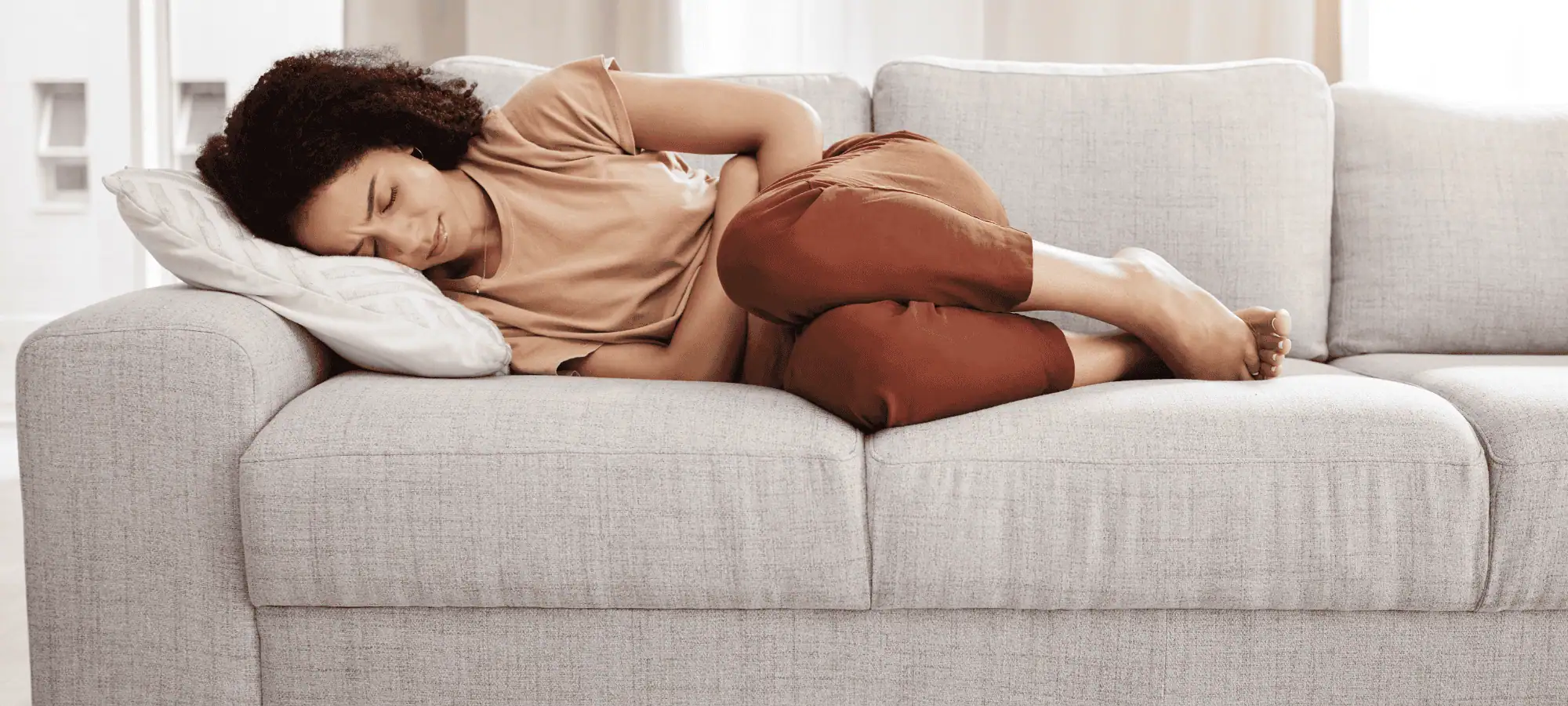
IBS is a chronic condition that affects how the gut works. Both men and women can experience pain, bloating, constipation, or diarrhea, but in women, these symptoms are often more intense due to hormonal changes, menstrual cycles, and stress. This can affect how IBS shows up, gets diagnosed, and is treated.
As a dietitian who’s supported hundreds of women with IBS, I’ve seen how deeply it affects women’s daily lives—from what they wear to how they eat and feel about themselves. Let’s dive into possible causes and symptoms of IBS in women.
What is IBS?
IBS is a gut condition that causes symptoms without visible damage to the digestive system.
Common symptoms include:
- Abdominal (Belly) pain or cramping
- Bloating and gas
- Constipation, diarrhea, or both
- Feeling like you didn’t fully empty
Why Is IBS More Common in Women?
There are several reasons why it’s possible IBS is more common in women.
The Role of Hormones in Gut Motility
One key reason is the strong effect of sex hormones—estrogen and progesterone—on the gut.
These hormones affect how quickly food moves through the digestive system, how sensitive the gut is, and how well the gut barrier works.
During the second half of the menstrual cycle, when progesterone is higher, the gut slows down, which can lead to constipation. Estrogen also affects the gut by influencing inflammation and immune response. Hormonal shifts help explain why IBS feels worse at certain times of the month.
Connection Between Menstrual Cycle and IBS Symptom Flare-Ups
Many women with IBS notice their symptoms get worse around their period. In fact, up to 50–60% report more bloating, cramping, and changes in bowel habits at that time.
Hormone changes during the cycle can slow digestion and make the gut more sensitive to pain. That’s why it’s important to consider hormone fluctuations when understanding and treating IBS in women.
Emotional and Psychological Stress Response Differences in Women
Studies indicate women feel more gut pain than men. They also deal with anxiety or depression, which can make gut symptoms worse. Stress slows digestion, increases sensitivity, and can cause inflammation, increased intestinal permeability, or “leaky gut” which allows bacteria and toxins to enter the bloodstream, triggering an inflammatory response that can worsen IBS symptoms. That’s why IBS treatment for women should also support mental and emotional health.

Recognizing IBS Symptoms in Women
How can you recognize common symptoms of IBS in women? Let’s explore.
More Constipation-Predominant IBS (IBS-C)
Women with IBS are much more likely than men to have constipation as their main symptom. One large study found that about two-thirds of women with IBS deal mostly with constipation. This is partly because the hormone progesterone slows down digestion, especially in the second half of the menstrual cycle and during perimenopause.
Pelvic Pain, Painful Menstruation, Fatigue
Many women with IBS also have other symptoms like pelvic pain, painful periods, and ongoing fatigue. These symptoms often get worse with hormone changes during the menstrual cycle. More than half of women with IBS report period pain and tiredness that affect their daily life.
Fatigue is often connected to poor sleep , inflammation, and imbalances in gut bacteria—all common in women with IBS.
Overlap with Gynecological Conditions
IBS often occurs alongside gynecological conditions like endometriosis, which can make diagnosis harder. Up to 40% of women with endometriosis also have IBS. Since both conditions share symptoms like pelvic pain, bloating, and changes in bowel habits, many women are misdiagnosed or wait a long time to get the right treatment. and
Diagnosis Challenges and Misunderstandings
Women are often diagnosed with IBS much later than they should be—sometimes years after symptoms begin. This delay is partly due to stigma and the tendency to blame their symptoms on stress, anxiety, or periods. Studies show women are more likely than men to be told their symptoms are “just in their head” instead of being properly checked for IBS.
On average, it takes about 6.6 years to get an IBS diagnosis. During that time, many women live with ongoing symptoms, try treatments that don’t help, and feel frustrated or dismissed.
How IBS Is Diagnosed: Rome IV Criteria
To help diagnose IBS more accurately, we use the Rome IV Criteria, which focus on symptom patterns.
A person may have IBS if they’ve had abdominal pain at least one day a week over the past 3 months, along with at least two of the following:
- The pain is related to having a bowel movement
- There’s a change in how often they go to the bathroom
- There’s a change in the appearance of their stool
These symptoms must have started at least 6 months ago and been happening regularly for the last 3 months.
Why Self-Advocacy Matters
If you’re a woman with IBS, you may have already experienced being misunderstood or brushed off. Sadly, this happens far too often. That’s why self-advocacy—speaking up for yourself—is so important.
Don’t be afraid to ask questions, request tests, or get a second opinion. Pushing for answers doesn’t make you difficult—it makes you an active partner in your health.
One of the most powerful tools you can use is a symptom journal. Writing down what you eat, how your gut feels, when symptoms show up, your bowel habits, and where you are in your menstrual cycle can give your healthcare provider valuable clues. It can help them see patterns you might miss—and lead to a faster, more accurate diagnosis.
IBS Treatment in Women: A Holistic Approach
Managing IBS naturally starts with the right diet and lifestyle. For many women, the low FODMAP diet can reduce bloating, gas, and irregular bowel habits.
But it’s not meant to be long-term—working with a dietitian helps you safely reintroduce foods and protect your gut health.
Regular movement (like walking or yoga), stress support through mindfulness or CBT, and getting enough sleep and hydration all support the gut-brain connection and help ease symptoms.
Some women may also need medical treatments, including:
- Antispasmodics for cramping
- Laxatives for cramping
- Targeted probiotics
- Targeted fiber support
IBS treatment for women should be personalized, combining natural strategies and medical tools to support lasting relief and whole-body wellness.
For women who are pregnant or in perimenopause, treatment needs to consider hormone changes and safety. Pregnancy often calls for gentler approaches like fibre and lifestyle changes, while perimenopause may need extra support for hormone balance.
Living Well with IBS as a Woman
Living with IBS as a woman isn’t just about managing gut symptoms—it’s about caring for the whole person.
As a holistic dietitian, I look at the bigger picture: gut-brain connection, hormones, immune health, stress, sleep, lifestyle, and nutrition. Diet is important, but there’s no one-size-fits-all fix. Every woman’s body and journey is different, so care needs to be personalized to truly help.
Whole-Person Approach
- Track What Matters: We journal symptoms, food, bowel patterns, and cycles to spot patterns and root causes.
- Build Support: Community and connection reduce isolation and remind you you’re not alone.
- Lifestyle That Fits: We create daily habits around sleep, stress, hydration, and movement that are realistic and doable.
- Calm the Gut-Brain Axis: Tools like mindfulness and gut-directed therapy help ease nervous system stress.
- Personalized Nutrition: No extreme diets—just flexible plans tailored to your body, symptoms, and goals.
With the right support, women can feel better, regain confidence, and reconnect with their bodies—IBS relief is possible.
When to See a Doctor
IBS isn’t dangerous on its own, but there are some signs that could point to something more serious. Talk to a doctor right away if you have:
- Unexplained weight loss
- Blood in your stool
- Anemia
- Ongoing vomiting
- A family history of digestive diseases like colorectal cancer, IBD, microscopic colitis
Even if you don’t have these red flags—if your symptoms are affecting your daily life, you deserve support. With the right care team, many women find real, lasting relief.
You don’t have to tough it out or figure it out alone.
Final Thoughts
IBS in women is real—and so are the emotions that come with it. The frustration of waking up bloated, the worry about finding a bathroom, the stress before meals, or canceling plans because your gut says no—it all matters.
You’re not imagining it. And you’re definitely not alone.
Many women quietly deal with these daily struggles—wearing loose clothes to hide bloating, skipping social events, or feeling disconnected from their bodies. These moments affect your confidence, your relationships, your joy.
But here’s the good news: relief is possible. Not with generic advice or quick fixes, but with care that’s personalized, supportive, and focused on the whole you.
You deserve to feel well in your body. You deserve to be heard. You deserve a life that’s more than just symptom management.
Healing from IBS is a journey—but you don’t have to do it alone. With the right care and support, feeling better is absolutely within reach.

This article was made possible due to an unrestricted educational grant from Florastor.